Quick answer
In a cash home sale, the buyer pays with their own funds instead of a mortgage. You share details about the property, receive a written offer, sign a purchase agreement, and a title company or closing attorney runs the title search and closing. With no lender involved, the sale can close in days or weeks instead of months.
In this guide
- What a cash home sale is
- How a cash home sale works, step by step
- What paperwork to have ready
- What happens at closing on a cash sale
- How to protect yourself when selling a house for cash
- The trade-off: what a cash sale costs you
- How a cash sale to Riv Buys Properties works
- How to plan your move around a cash closing
- Frequently asked questions
What a cash home sale is
A cash sale means the buyer is not borrowing the money to buy your property. That one difference removes most of what slows a traditional sale down: there is no loan application, no lender-ordered appraisal, and no underwriter who can change the answer a week before closing.
Everything else about the sale is the same in the ways that count. There is still a written contract, the title is still checked, your mortgage and any liens are still paid off at closing, and ownership still transfers by deed. Selling a house for cash is a faster path through the same legal steps, not a way around them.
How a cash home sale works, step by step
- You contact the buyer. You share the address, the type of property, its condition, and your timeline
- The buyer evaluates the property. This may be done from records and photos, a walk-through, or both. A buyer who purchases as-is is pricing the property in its current condition
- You receive a cash offer on the house. Insist on a written offer that states the price, what the buyer pays for, and the closing date
- You decide. Take the time you need. Compare the offer with what a listing would likely net you after repairs, commission, and carrying costs
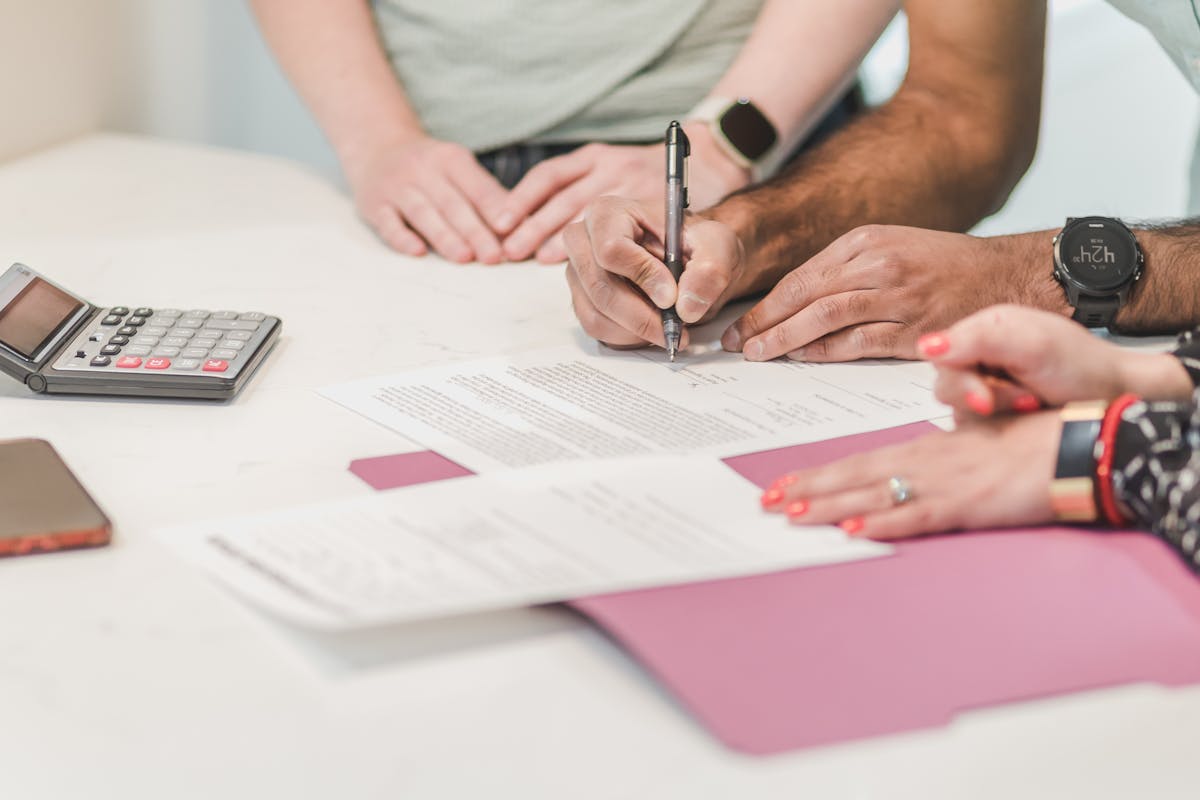
- You both sign a purchase agreement. This is the binding contract. Read every page, and have an attorney review it if anything is unclear
- The title search and closing work begin. A title company or closing attorney confirms who owns the property, finds any liens, and requests payoff figures
- You close and get paid. You sign the deed and closing documents, the loan and liens are paid from the proceeds, and the rest goes to you
Who handles the closing, and what documents are required, varies by state. Some states require an attorney to conduct it.
What paperwork to have ready
Having these on hand keeps a fast sale fast:
- A government-issued photo ID for every owner
- Your most recent mortgage statement, and statements for any home equity loan or line of credit
- Property tax and homeowners association information, if they apply
- Any documents that explain how you hold title, such as a trust, an estate appointment, or a divorce decree
- Leases and deposit records if the property has tenants
- Keys, garage remotes, and codes
If an owner has died, the property is in a trust, or the owners are divorcing, tell the closing agent on day one. Those situations are common and solvable, but they take extra documents.
What happens at closing on a cash sale
Closing is the appointment where ownership changes hands. The closing agent prepares a settlement statement that lists the sale price and every amount paid out of it, line by line. Review it before you sign and ask about anything you do not recognize.
At the table, or by remote signing where your state allows it, you sign the deed and the closing documents. The closing agent pays off your mortgage and any liens, records the deed, and sends your proceeds, usually by wire transfer or check. You hand over the keys on the date the contract says, which is normally closing day unless you have agreed to something else in writing.

Ready to see a real number? Sell to Riv Buys Properties and your move with Allpoints is complimentary, packing aids included.
How to protect yourself when selling a house for cash
- Ask for proof of funds. A real cash buyer can show they have the money
- Get everything in writing. The price, the closing date, and who pays which costs belong in the contract
- Close through an independent title company or attorney. Do not hand a deed directly to a buyer
- Never pay an upfront fee to receive an offer
- Confirm wire instructions by phone using a number you already know is real, since criminals send fake instructions by email
- Do not be rushed. A fair offer survives a day of thinking and a second opinion
This article is general information, not legal advice. Real estate rules vary by state, so consult a real estate attorney about your contract and a CPA about taxes on the sale.
The trade-off: what a cash sale costs you
Speed and certainty are not free. A cash offer may come in below a potential retail sale price, and a property in good condition, listed on the open market with time to wait, can bring more. What you get in exchange is no repair bill, no agent commission, no financing delay, and a closing date you control. Whether that trade is worth it depends on the condition of the property and on what a delay or a failed sale would cost you.
How a cash sale to Riv Buys Properties works
Allpoints Moving Services partners with Riv Buys Properties, a family-owned cash property buyer. Here is what they offer:
- A written cash offer within 24 hours, with no obligation
- Closing in as little as 7 days, or on the date you choose
- No fees, no agent commissions, and no repairs. They buy as-is
- Houses, multi-family properties, apartment buildings, commercial property, and land
- Properties evaluated anywhere in the country
There is one more piece. Sell your property to Riv Buys Properties and your move with Allpoints is complimentary, packing aids included. Ask either team for details, or see the free move offer.
How to plan your move around a cash closing
A quick closing means the move has to be planned at the same pace. As soon as you sign the purchase agreement, call your mover with the closing date. We suggest 1 to 2 weeks of notice for a local move and 3 to 4 weeks for a long-distance move, so if you need time, choose a closing date that gives it to you.
Plan to load a day or two before closing, start packing the rooms you use least, and decide early what is not coming with you. Our moving checklist covers the rest, and our packing services can take the boxes off your list entirely.
Key takeaways
- A cash sale follows the same legal steps as any sale, without the lender
- Get the offer and every term in writing, and ask for proof of funds
- A title company or closing attorney handles the title search, payoffs, and your proceeds
- A cash offer may come in below a potential retail sale price. The trade-off is no repairs, no commission, and a date you control
- Tell your mover the closing date the day you sign