Quick answer
Movers provide valuation, not moving insurance. On interstate moves there are two levels. Released value protection costs nothing extra but pays no more than 60 cents per pound per article. Full value protection costs more and makes the mover responsible for repairing, replacing, or paying for lost or damaged items.
In this guide
- Valuation is not moving insurance
- Released value protection: 60 cents per pound
- Full value protection: repair, replace, or pay
- Released value vs. full value protection at a glance
- What can limit your mover's liability
- When third-party moving insurance makes sense
- How to file a moving damage claim
- What to do before moving day
- Frequently asked questions
Valuation is not moving insurance
When a mover talks about coverage, the word to listen for is valuation. Valuation is the amount of liability the mover accepts for your belongings while they are in its care. It is set by the terms of your move and by regulation, not by an insurance policy.
Insurance is a separate product sold by an insurance company. The difference matters because valuation coverage has its own limits, its own claim process, and, at the basic level, a payout formula that has nothing to do with what an item is worth.
Under federal rules for interstate moves, movers offer two levels of liability: released value protection and full value protection. Moves within a single state follow that state's rules, which vary, so ask your mover what applies to a local move.
Released value protection: 60 cents per pound
Released value protection is the basic level, and it is included at no additional charge. Under it, the mover is responsible for no more than 60 cents per pound per article.
The payout is based on weight, not value. Do the arithmetic on a few of your own things:
- A 40-pound television is covered for $24, whether it cost $300 or $3,000
- A 10-pound piece of stereo equipment is covered for $6
- A 150-pound solid wood dresser is covered for $90
Released value applies only if you choose it, and you do that by signing a specific statement on the bill of lading. It makes sense mainly when little of what you own is valuable, or when you have arranged other coverage.
Full value protection: repair, replace, or pay
Full value protection is the more complete level. The mover is responsible for the replacement value of goods that are lost or damaged in its custody. If something goes wrong, the mover chooses one of three remedies for each item: repair it, replace it with a similar item, or pay a cash settlement.
It costs more than released value, and the price varies by mover and by the value you declare for the shipment. Ask what it costs, what deductible options exist, and how the declared value of your shipment is calculated. Get the cost in writing on your estimate.
Released value vs. full value protection at a glance
| Released value protection | Full value protection | |
|---|---|---|
| Cost | No additional charge | Additional charge, varies by mover |
| What the mover owes | No more than 60 cents per pound per article | Repair, replacement with a similar item, or a cash settlement |
| Based on | The weight of the item | The replacement value of the item |
| How you select it | A signed statement on the bill of lading | Stated on your moving paperwork |
| Best for | Low-value shipments, or goods insured elsewhere | Most household moves |
These are the two standard levels for moves between states. Your estimate and bill of lading should show which one you chose.
Have questions about coverage for your move? Request a free, no-obligation quote and ask us to walk you through the options.
What can limit your mover's liability
Even full value protection has conditions. Know these before moving day:
- Items of extraordinary value. Movers may limit their liability for articles worth more than $100 per pound, such as jewelry, china, or furs, unless you list them on the shipping documents. Ask for the mover's high-value inventory form and fill it in
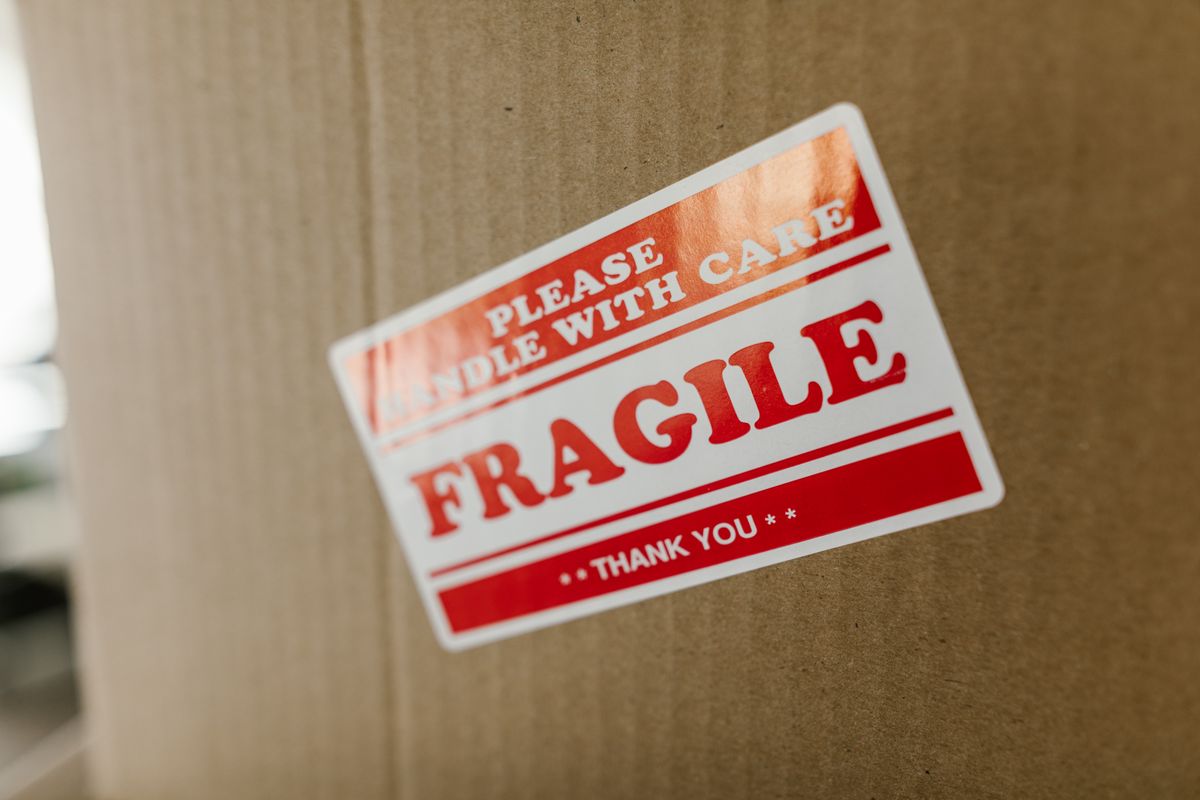
- Boxes you pack yourself. If an item in a box you packed is damaged, it can be harder to establish a claim against the mover. For fragile and valuable things, consider a professional packing service
- Hazardous or perishable items. Packing them in your shipment without telling the mover can limit its liability. See what movers won't move
- What you sign at delivery. A delivery receipt confirms the shipment arrived. Read it, and do not sign language that releases the mover from all liability

When third-party moving insurance makes sense
Third-party moving insurance is a policy from an insurance company, separate from the mover's valuation. It is regulated as insurance, it has its own terms and exclusions, and it is paid for separately.
People typically look at it in three situations: they chose released value and want real protection on top of it, they own items worth more than the mover's limits, or they want coverage for causes the mover's liability does not reach.
Start with the insurance you already have. Some homeowners and renters policies cover belongings in transit and some do not, and the limits differ. Your insurance agent can tell you what your policy covers during a move and whether a rider or a separate policy is worth buying.
How to file a moving damage claim
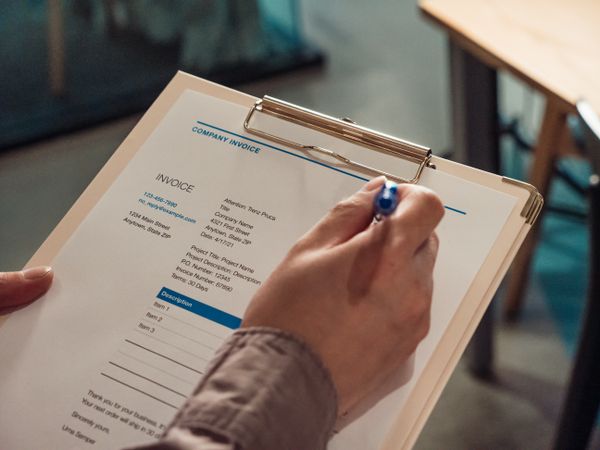
- Note damage at delivery. Check items off the inventory as they come in, and write any damage or missing pieces on the mover's copy before you sign
- Keep the evidence. Hold on to the damaged item and its packing materials, and take photographs
- File in writing. On an interstate move you have nine months from the date of delivery to file a written claim with your mover. Sooner is better
- Expect a response. Federal rules for interstate moves require the mover to acknowledge a claim within 30 days and to pay it, decline it, or make a settlement offer within 120 days
If you and the mover cannot agree, interstate movers are required to offer an arbitration program for loss and damage disputes. Ask for a summary of it when you book.
What to do before moving day
- Decide on your level of valuation coverage before the truck arrives, not at the door
- Make a written list of high-value items, with photographs and receipts where you have them
- Carry jewelry, cash, and important documents with you
- Call your insurance agent about coverage in transit
- Keep copies of the estimate, the inventory, and the bill of lading. Our moving terms glossary explains each one
Allpoints Moving Services is licensed and insured, and we would rather explain your options up front than after a claim. Ask about coverage when you request your free quote, or call (678) 886-0944.
Key takeaways
- Movers provide valuation, which is liability for your goods, not an insurance policy
- Released value protection costs nothing extra but pays no more than 60 cents per pound per article
- Full value protection costs more and covers repair, replacement, or a cash settlement
- List high-value items in writing and think twice about packing fragile items yourself
- On interstate moves you have nine months from delivery to file a written claim