

Quick answer
Moving out of a high-rise starts with building management, not the truck. Ask for the move-out rules in writing, reserve the freight elevator and loading dock for a set window, send your mover the building's certificate of insurance requirements, arrange truck parking, and have everything packed before the elevator window opens.
In this guide
- Why moving out of a high-rise takes more planning
- Ask building management for the move-out rules first
- How to make a freight elevator reservation
- The certificate of insurance for movers that buildings require
- Loading dock and truck parking
- Floor and wall protection in common areas
- Pack and stage for an elevator move
- Moving day in an elevator building, step by step
- Frequently asked questions
Why moving out of a high-rise takes more planning
In a house, the truck backs into the driveway and the crew walks straight in and out. In a high-rise, every box and every piece of furniture makes the same trip: down the hallway, into one elevator, through the lobby or service corridor, and out to wherever the truck is allowed to park.
That route has three bottlenecks, and you do not control any of them:
- The elevator. It is shared, it is slow, and the building decides when you can use it
- The loading dock or curb. There may be one space for the whole building
- The rules. Move hours, insurance paperwork, deposits, and floor protection are set by management
None of this is hard to handle. It only has to be handled early. A crew that arrives to find no elevator reserved can lose hours, and on a local move billed by the hour, that waiting time is on the clock.
Ask building management for the move-out rules first
Before you book a moving date, call the management office or the front desk and ask for the building move-out rules in writing. If you are moving into another elevator building, ask there too. The questions are the same at both ends:
- Which days and hours are moves allowed? Many buildings limit moves to weekday business hours or set weekend windows
- How do I reserve the elevator, and how much notice do you need?
- Is there a loading dock, and does it need its own reservation?
- What insurance paperwork do you need from the moving company?
- Is there a move-out fee or a refundable damage deposit?
- What floor, wall, and elevator protection do you require?
- Which entrance and which elevator must the movers use?
Pick your moving date after you have these answers, not before. The building's calendar and your mover's calendar both have to say yes.
How to make a freight elevator reservation
The elevator window is the backbone of the day. Make the freight elevator reservation as soon as you know your date, and confirm it again a few days before the move.
- Book a long enough window. Tell management the size of your home and ask what window they normally give for it. If you have a choice, take the longer one
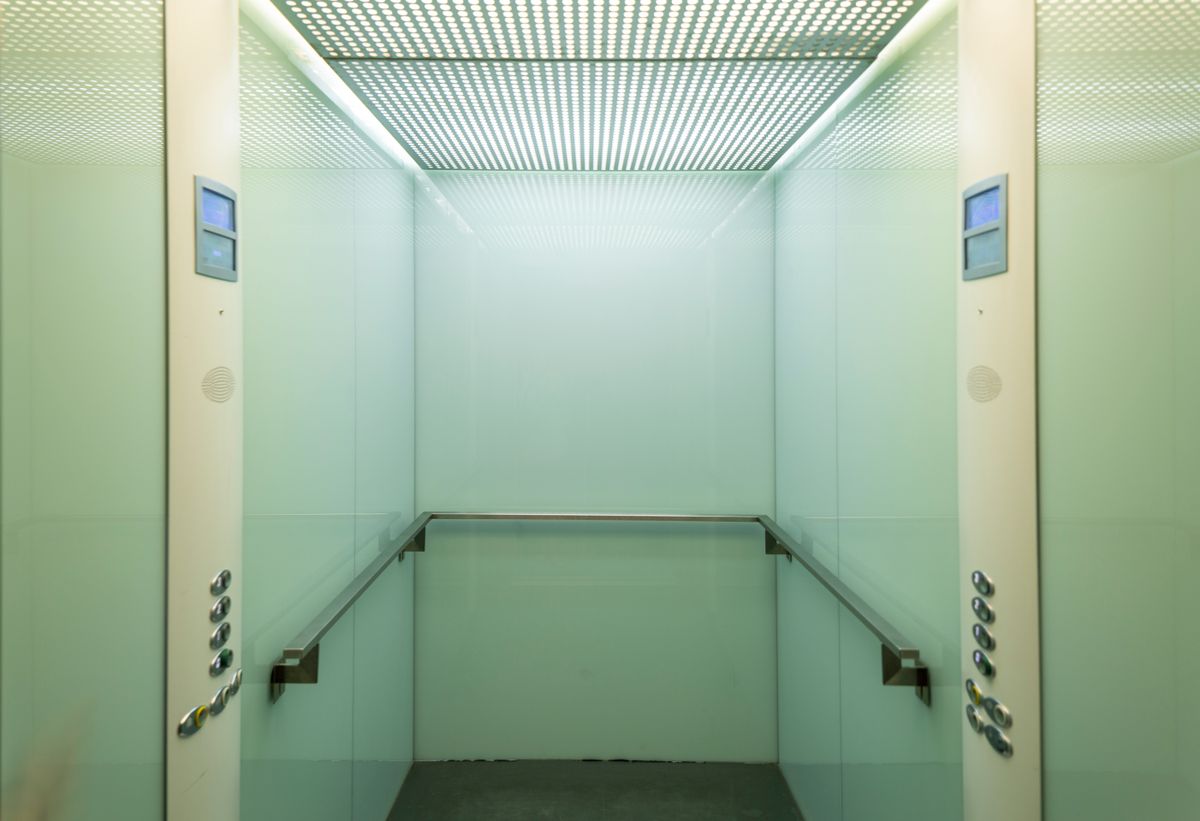
- Ask for exclusive use. Many buildings can switch a service elevator so it answers only to your crew. Staff usually control this with a key
- Ask about pads. Buildings commonly hang protective pads on the elevator walls for moves. Find out who installs them
- No freight elevator? Ask which passenger elevator may be used, and when. Expect waits while neighbors ride
- Measure the car. Note the door height, the interior depth, and the ceiling height, then compare them with your sofa, mattress, and tallest bookcase
Share the window with your mover when you book, so the crew arrives ready to load the moment it opens. If a piece will not fit in the elevator, it is better to find out a week ahead than at the lobby door.
The certificate of insurance for movers that buildings require
Many high-rise buildings will not let a moving crew through the door without a certificate of insurance on file. It is a document issued by the moving company's insurer that shows the mover carries coverage. Buildings ask for it so that damage to the lobby, the elevator, or a hallway is not left for the owner to absorb.
Each building sets its own terms. Ask management for their written requirements, which usually spell out:
- The exact name and address that must appear as the certificate holder
- The types and amounts of coverage they want to see
- Any extra wording, such as naming the owner or management company as an additional insured
- Where to send it and the deadline before the move
Forward those requirements to your mover when you book, not the night before. The certificate comes from the insurer and can take a few business days. Allpoints is licensed and insured, and the earlier we have your building's requirements, the smoother the paperwork goes. When you compare high-rise movers, ask each one how they handle a certificate of insurance for movers. Our list of questions to ask a mover has more.
Moving out of a high-rise or an elevator building? Tell us your floor, your elevator window, and your building's requirements, and we will send a free, no-obligation quote.
Loading dock and truck parking
Find out where the truck goes before moving day. The loading dock and truck parking plan decides how far the crew has to carry everything.
- Reserve the dock for the same window as the elevator
- Ask for the height clearance of the dock or garage entrance and pass it to your mover. A moving truck is much taller than a car
- No dock? Ask where trucks normally park. A street space may need a temporary permit or no-parking signs from the city, which often have to be requested days ahead
- Walk the route from your door to the truck and note steps, ramps, narrow turns, and locked doors that need a key or a fob
A long walk between the elevator and the truck adds time to every load. Mention it when you ask for a quote so the estimate reflects the real job.
Floor and wall protection in common areas
Buildings care most about the spaces everyone shares. Expect management to require some or all of the following, and ask who supplies each one:
- Pads on the elevator walls
- Floor runners or hardboard sheets over lobby and hallway floors
- Corner guards and door jamb protectors along the route
- Furniture wrapped in moving blankets before it leaves your unit
Walk the hallway, the elevator, and the lobby with building staff before the move starts and again when it ends. If there is a damage deposit, that walk-through is how you get it back. Inside your own unit, protect the door frame and any floors you are responsible for under your lease or association rules.
Pack and stage for an elevator move
Elevator time is limited, so nothing should be packed while the clock is running.
- Have every box taped, labeled, and stacked before the crew arrives
- Use sturdy boxes in a few standard sizes. They stack on a dolly and fill an elevator car efficiently
- Take apart beds, tables, and shelving the day before, or ask your mover to include disassembly
- Stage boxes inside your unit near the door. Most buildings do not allow belongings to sit in the hallway
- Empty balconies and storage lockers ahead of time
If packing is the part you are dreading, our packing services cover the whole home or only the fragile items.
Moving day in an elevator building, step by step
- Check in with the front desk or building staff and confirm the elevator and dock are yours
- Do the walk-through of the common areas and note any existing damage
- Make sure pads and floor protection are in place before the first load
- Keep one person in the unit to direct the crew, and keep keys, documents, and valuables with you
- Let the crew run the elevator in full loads. Avoid sending small personal trips down in between
- Check closets, cabinets, the balcony, and the storage locker before the window closes
- Do the closing walk-through, return keys, fobs, and garage remotes, and ask how the deposit is refunded
For a local move, plan on 1 to 2 weeks of notice, and 3 to 4 weeks for a long-distance move, with more in summer and at the end of the month. In a building with strict move hours, book as early as you can. Our moving checklist covers the rest, and you can request a free quote whenever you have a date in mind.
Key takeaways
- Get the building's move-out rules in writing before you choose a date
- Reserve the freight elevator and the loading dock for the same window
- Send the certificate of insurance requirements to your mover when you book
- Measure the elevator and compare it with your largest furniture
- Be fully packed before the elevator window opens