Quick answer
The items most often restricted when you move across state lines are firewood, houseplants and outdoor plants, fresh fruit, soil, and outdoor gear that can carry insect pests. Rules are set by each state and by federal quarantines, so check with the destination state's department of agriculture before you pack.
In this guide
- Why states restrict what you can take across state lines
- Can you take houseplants across state lines?
- Firewood restrictions: why you should leave it behind
- Outdoor furniture, grills, and yard equipment
- What happens at agricultural inspection stations
- Fresh produce, soil, and garden supplies
- Pets and other regulated items
- How to check what you cannot take across state lines
- Frequently asked questions
Why states restrict what you can take across state lines
The rules have nothing to do with your belongings and everything to do with what might be riding on them. Insects, plant diseases, and weed seeds spread into new regions on plants, soil, wood, and anything stored outdoors. Once established, they can damage farms, forests, and neighborhood trees.
To slow that spread, state departments of agriculture and the U.S. Department of Agriculture set quarantines. A quarantine names a pest, the area where it is found, and the items that may not leave that area or enter a protected one without inspection. Household moves are covered, whether you hire a mover or drive a rental truck.
Most of what you own is unaffected. The short list below covers what you cannot take across state lines without checking first.
Can you take houseplants across state lines?
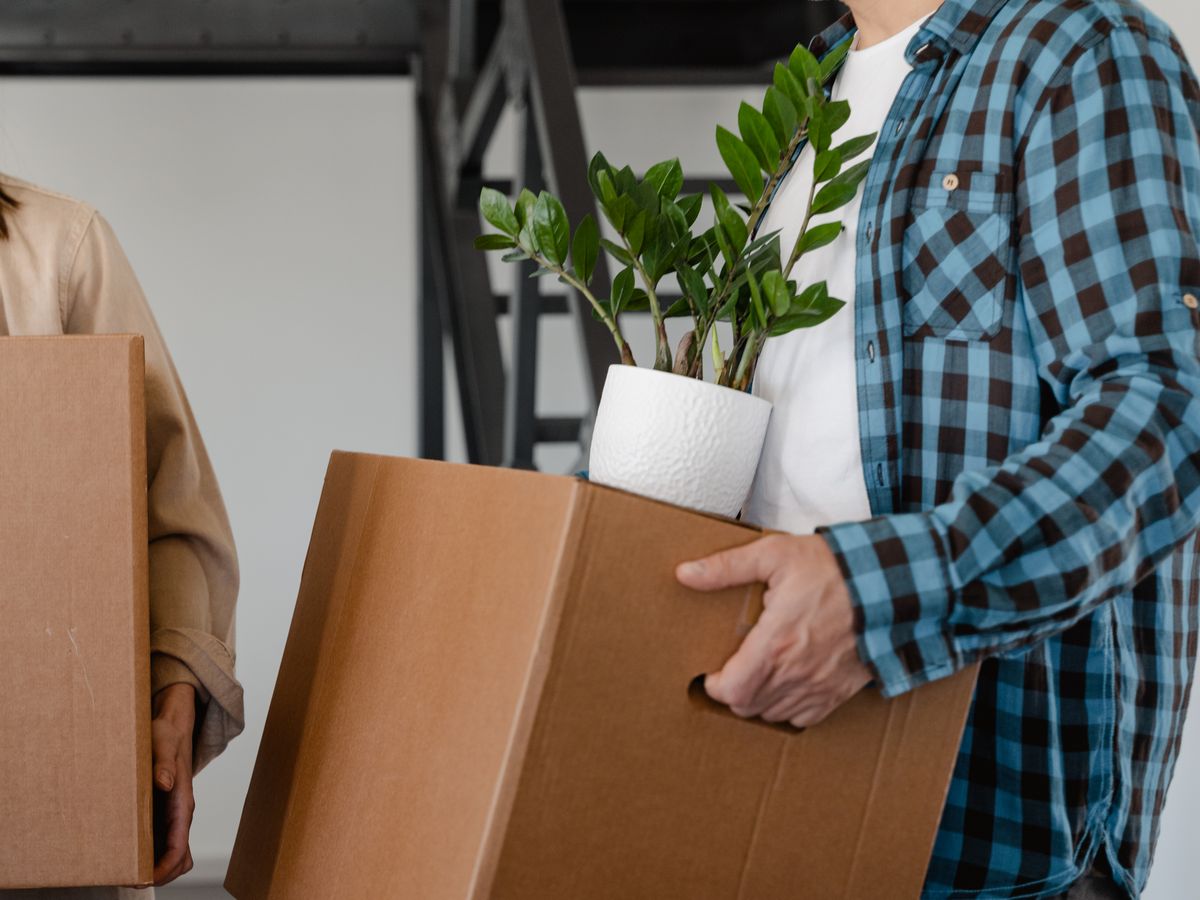
Usually yes, with conditions. Moving houseplants to another state is generally allowed when the plants have lived indoors, are healthy, and are free of insects. Plants that have spent time outdoors, and anything dug from the yard, get much closer scrutiny.
California is the best-known example. According to the California Department of Food and Agriculture, houseplants entering the state should have been grown only indoors, be potted in sterile, packaged commercial potting mix and not backyard soil, and be free of pests and signs of disease. Inspectors can reject plants that do not qualify. Citrus plants are prohibited, and the agency strongly discourages private owners from bringing pine, oak, and fruit and nut trees.
If you are moving plants to California or any state with similar rules:
- Repot into fresh commercial potting mix a few weeks ahead
- Check leaves, stems, and soil for insects, and treat or leave behind any plant with a problem
- Keep plants together and easy to reach so they can be inspected
- Give away outdoor and patio plants you are unsure about
Plants also dislike long trips in a hot or freezing trailer, which is one reason they appear on our list of what movers won't move. Plan to carry them in your own car.
Firewood restrictions: why you should leave it behind
Firewood is the item agriculture officials worry about most. Wood-boring insects and tree diseases can survive inside cut wood, and a single load can carry them into an area that did not have them.
Firewood restrictions come from both levels of government. California's agriculture department notes that several federal and state quarantines restrict the movement of firewood, that firewood is inspected at the border and may be rejected if insects or disease symptoms are found, and that people are strongly discouraged from moving firewood out of the local area where it was cut.
The practical rule for any move: do not pack firewood. Burn it, give it to a neighbor, or leave it for the next owner, and buy local wood when you arrive. The same caution applies to logs, untreated lumber with bark, and decorative branches.
Outdoor furniture, grills, and yard equipment
Some quarantine pests do not need a plant at all. They lay eggs on whatever sits outside: patio furniture, grills, mowers, bicycles, doghouses, trash cans, playsets, and the wheel wells of trailers.
The federal spongy moth quarantine is one example. The moth leaves egg masses on almost any outdoor surface, so people moving from a quarantined area to a non-quarantined one are required to inspect their outdoor household items before those items leave. The USDA and your state agriculture department can tell you whether your county is included and what inspection record you may need to keep with your shipment.
Wherever you live, clean outdoor items before moving day. Brush off dirt, cobwebs, and egg masses, empty and rinse planters, and scrape mud from tools, mower decks, and tires. Clean items also load better and keep the rest of your shipment tidy.
Planning a move to another state? Get a free, no-obligation quote and ask us what can and cannot go on the truck.
What happens at agricultural inspection stations
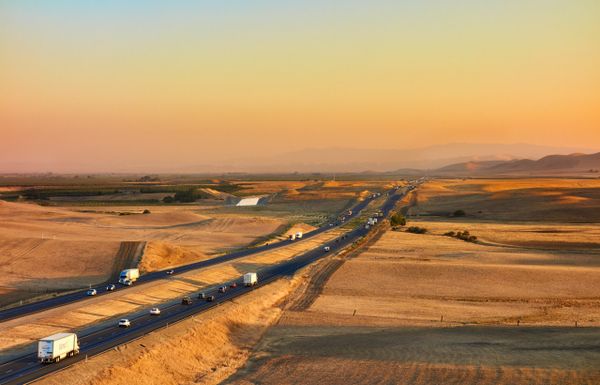
A few states check vehicles at the border. California operates 16 border protection stations on major highways entering the state, according to the California Department of Food and Agriculture, and has run agricultural inspection stations since the early 1920s. Inspectors look for plant material and pests covered by state and federal quarantine laws.
If your route passes one:
- Declare all fruits, vegetables, and plants when you arrive
- Pack plant material where it is easy to reach
- Know what is in the vehicle and where it is packed
- On a rental truck or trailer, make sure the doors can be opened and have the keys or lock combinations handy
Vehicles and goods are not allowed to enter until an inspector releases them, and inspections are more thorough when the risk is higher.
Other states enforce their rules in other ways. Not seeing a checkpoint does not mean there are no rules.
Fresh produce, soil, and garden supplies
Fresh fruit and vegetables are easy to forget because they are in a cooler, not on the truck. Homegrown produce is the main concern, since backyard fruit can carry fruit flies and other pests. Eat it or give it away before you leave, and declare anything you still have.
Soil is restricted for the same reason as plants. Do not move bags of garden soil, compost you made yourself, or pots filled with dirt from the yard. Empty outdoor planters, rinse them, and let them dry before they are packed.
Pets and other regulated items
Dogs and cats can generally move with you, but each state sets its own entry rules for pets, so ask your veterinarian and check the destination state's animal health office. California, for instance, places no restrictions on bringing in dogs and cats and encourages owners of dogs to carry proof of rabies vaccination.
Exotic pets are different. Animals that are legal in one state can be restricted in the next. California lists ferrets, gerbils, hedgehogs, and sugar gliders among the species that may not be brought in or kept without a permit. Check with the destination state's wildlife agency and your veterinarian well before the move.
Firearms, alcohol, and fireworks are also governed by state laws that differ widely. Those are legal questions, so check with the destination state's agencies or an attorney.
How to check what you cannot take across state lines
- Look up the destination state's department of agriculture. Search its site for houseplants, firewood, and household moves, or call the plant pest office
- Ask about your current county. If it is under a quarantine, some items need inspection before they leave
- Tell your mover what you have. Plants, outdoor equipment, and anything unusual should come up when you get your quote, not on loading day
- Decide what travels with you. Plants and pets ride in your car. Firewood stays
Allpoints is a family-owned, licensed and insured mover that serves customers nationwide. Ask us about restricted items when you plan your move. Read more about our long-distance moving service, or request a free quote to get started.
Key takeaways
- States and the USDA restrict items that can carry plant pests, and household moves are included
- Leave firewood behind and buy local wood after you arrive
- Indoor houseplants are usually allowed if they are pest-free and in clean potting mix
- Clean outdoor furniture, grills, and tools before they are loaded
- Check the destination state's department of agriculture before you pack