
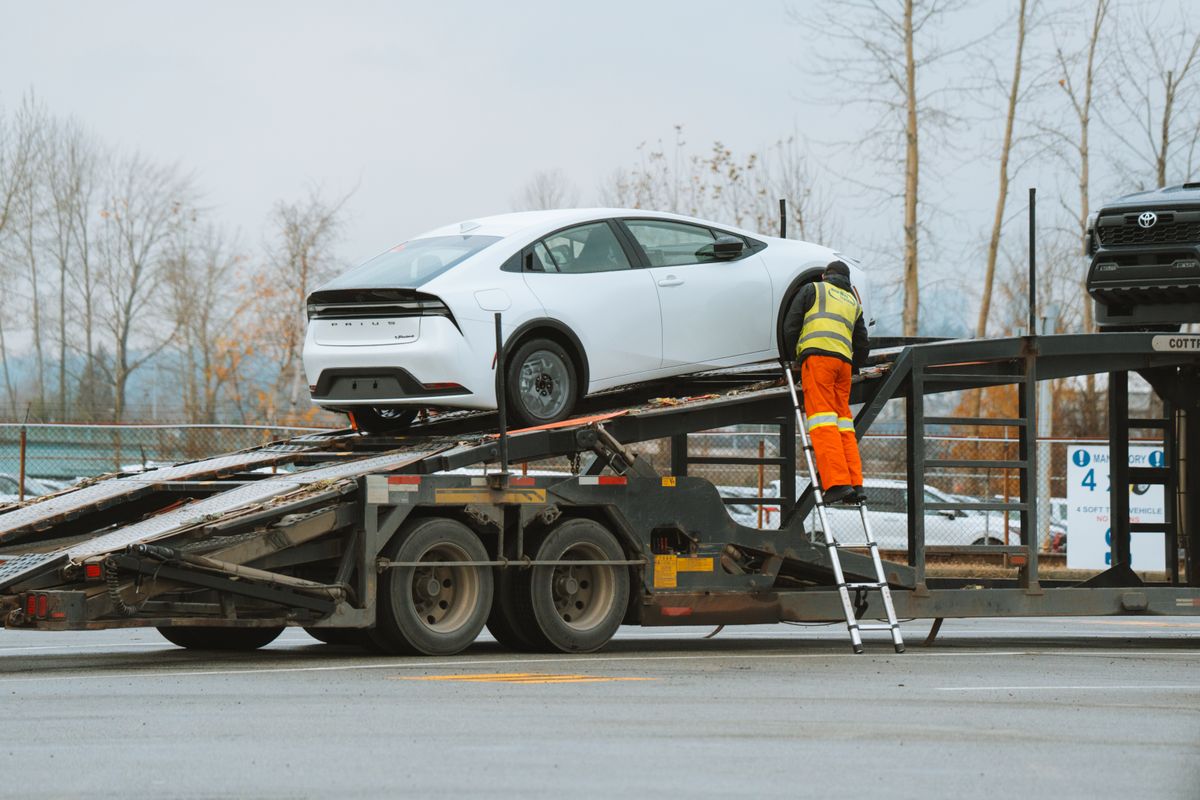
Quick answer
To ship a car when moving, book a licensed and insured auto transport carrier a few weeks ahead, choose open or enclosed transport, and pick door-to-door or terminal service. Wash the car, photograph its condition, remove personal items, keep the fuel tank low, and inspect it carefully at pickup and delivery.
In this guide
- Should you ship your car or drive it?
- How to ship a car when moving: the basic steps
- Open vs enclosed car transport: which do you need?
- What affects the cost to ship a car?
- When to book and what to ask about insurance
- How to prepare a car for shipping
- What to do at pickup and delivery
- How to time car shipping with your household move
- Frequently asked questions
Should you ship your car or drive it?
Driving is the default for most moves of a day or less on the road. Shipping starts to make sense when any of these are true:
- The drive is several days long and you would rather fly
- Your household has more cars than drivers
- The car is leased, new, classic, or not something you want to put highway miles on
- You are traveling with small children or pets and want a shorter trip
- You need to start work before a road trip would get you there
When you compare the two, count everything the drive would cost: fuel, hotels, meals, tolls, time off work, and wear on the car. Our guide on whether to drive or fly to your new home walks through that comparison.
How to ship a car when moving: the basic steps
Learning how to ship a car when moving is simpler than most people expect. The steps:
- Get quotes. You will deal with either a carrier, which owns the trucks, or a broker, which arranges a carrier for you. Both are common. Ask which one you are talking to
- Choose your service. Open or enclosed trailer, and door-to-door or terminal-to-terminal
- Book a pickup window. Like a household move, car shipping usually runs on a range of days for pickup and delivery, not a fixed hour
- Hand over the car. The driver inspects the vehicle with you and records its condition on an inspection report that becomes part of your shipping paperwork
- Receive the car. You inspect it again at delivery, compare it to the pickup report, and sign
With door-to-door auto transport, the driver picks up and delivers as close to your addresses as a long trailer can legally and safely reach. On a narrow street that may mean meeting at a nearby parking lot. Terminal service means you drop off and pick up at the carrier's lots, which can cost less but takes more of your time.
Open vs enclosed car transport: which do you need?
The choice between open vs enclosed car transport comes down to the car's value and your budget.
| Open transport | Enclosed transport | |
|---|---|---|
| What it is | The multi-car open trailer you see on the highway | A fully covered trailer, often carrying fewer vehicles |
| Protection | Exposed to weather and road dust, like driving it yourself | Shielded from weather, debris, and view |
| Price | Lower | Higher |
| Availability | Most common, so easier to schedule | Fewer trucks, so book earlier |
| Best for | Everyday cars, SUVs, and trucks | Classic, luxury, low-clearance, or collector vehicles |
Most family vehicles travel on open trailers without a problem. Plan to wash the car when it arrives.
What affects the cost to ship a car?
Prices change with fuel costs and demand, so any number you read online is out of date quickly. The car shipping cost factors themselves stay the same:
- Distance and route. Longer trips cost more in total. Routes between large cities along major interstates are easier to fill than rural pickups
- Vehicle size and weight. A full-size truck or SUV takes more space and weight on the trailer than a compact car
- Open or enclosed. Enclosed service costs more
- Season. Summer moving season and the fall and spring snowbird runs are busy
- Whether the car runs. A vehicle that cannot be driven onto the trailer needs a winch and extra labor
- Your flexibility. A wide pickup window is cheaper than a rush or a guaranteed date
- Modifications. Lift kits, roof racks, and lowered suspensions can change what trailer the car fits on
Get more than one written quote, and be wary of a price far below the others. A quote that low is often raised later, or the car simply sits until a driver accepts it.
Moving to another state? Get a free, flat-rate quote for your household goods and plan your car's trip around a delivery window you can count on.
When to book and what to ask about insurance
Start gathering quotes about a month before your move, earlier in summer. Before you commit, ask each company:
- Are you the carrier or a broker, and are you licensed and insured?
- What cargo insurance covers my car on the trailer, and is there a deductible?
- What are the pickup and delivery windows, and how will the driver contact me?
- Is the price all-in, and when is payment due?
- What is the cancellation policy?
Ask for proof of insurance in writing. Then call your own auto insurer to ask whether your policy covers the car in transit. Coverage varies by policy and by state, so your agent is the right person to confirm it.
How to prepare a car for shipping
Set aside an hour or two a few days before pickup to prepare a car for shipping:
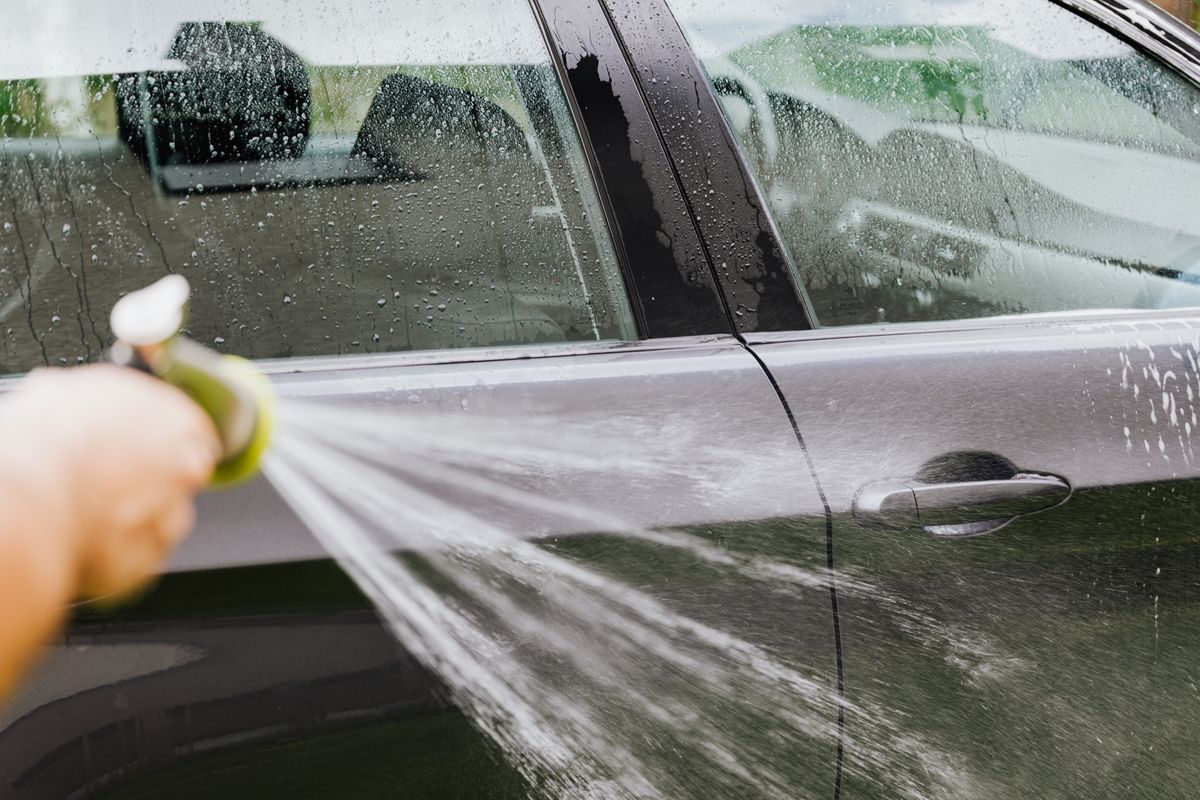
- Wash it. Dents and scratches are easy to miss on a dirty car, and you want the pickup inspection to be accurate
- Photograph everything. Take dated photos of each side, the roof, the wheels, the interior, and the odometer
- Remove personal items. Many carriers do not allow belongings in the vehicle, and cargo insurance may not cover them, so ask before you leave anything inside. Take out chargers, garage door openers, and paperwork
- Take off toll tags and parking passes so they are not charged along the route
- Run the fuel down. A low tank is usually enough to drive on and off the trailer. Ask the carrier what level it wants
- Check the basics. Tires inflated, battery charged, no fluid leaks. Tell the carrier about anything that does not work
- Remove or secure loose parts. Fold in mirrors, lower antennas, and take off bike racks and cargo boxes
- Turn off the alarm and hand over one set of keys. Keep the spare with you
Electric vehicles follow the same list. Ask the carrier what charge level it wants at pickup.
What to do at pickup and delivery
The inspection report is your record of the car's condition, so do not rush it. Walk around the car with the driver at pickup, make sure every existing mark is noted, and keep your copy.
At delivery, inspect the car before you sign, in daylight if you can. Check the roof and the lower panels, and compare what you see with your photos. If you find new damage, write it on the inspection report before signing and take pictures on the spot. A claim is much harder to make once you have signed a clean report.
How to time car shipping with your household move
When you ship a car to another state, it travels on a different truck and a different schedule than your furniture. Plan for a gap at one end or both. Many families ship one car early and keep a second to drive, or book a rental for the first few days in the new city.
Tell us about your vehicle plans when you request a quote for your long-distance move, so your household delivery window and your car's arrival can be planned side by side. Our cross-country moving timeline shows where car shipping fits in the weeks before moving day.
Key takeaways
- Your car usually travels separately from your household goods, on its own schedule
- Open transport suits most cars. Enclosed is worth it for classic, luxury, or low-clearance vehicles
- Distance, vehicle size, season, and flexibility drive the price more than anything else
- Wash and photograph the car, empty it, and keep the fuel tank low
- Inspect the car at pickup and delivery and note any damage before you sign