Quick answer
Moving in winter works well if you plan for the weather. Watch the forecast, keep a backup date, clear and salt driveways and walkways at both homes, protect floors at the entry, keep the heat and lights on, and carry electronics, plants, and liquids that can freeze in your own heated car.
In this guide
- Is moving in winter a good idea?
- Build weather flexibility into a winter move
- Moving in the snow: clear the path at both homes
- Protect floors when moving in winter
- Protect belongings from cold and moisture
- Keep the heat, lights, and utilities on
- Dress and drive for the conditions
- Winter moving day checklist
- Frequently asked questions
Is moving in winter a good idea?
Late spring and summer are peak moving season, which is exactly why winter is worth a look. Fewer people are competing for the same trucks and the same Saturdays. The trade-off is the weather.
| What works in your favor | What you have to plan for |
|---|---|
| More open dates and start times | Snow, ice, and freezing rain on moving day |
| Easier to get a weekend or a specific day | Short daylight hours |
| No heat to work in | Slippery steps, ramps, and walkways |
| A better chance at the first start time of the day | Cold-sensitive belongings and wet floors |
People often ask, is it cheaper to move in winter? Demand is lower, so you have more choice of dates and more room to pick a quiet mid-week day. What that means for the price depends on the mover, the date, and the job, so ask for a quote instead of assuming. The days around the holidays and the end of each month stay busy even in winter.
Build weather flexibility into a winter move
The single most useful of all winter moving tips is to leave yourself room. A storm does not care about your lease.
- Overlap your dates. If you can, keep the old home a few days past moving day so a delay is an inconvenience, not a crisis
- Pick a backup date when you book, and ask your mover how weather delays and rescheduling are handled
- Watch the forecast starting about a week out, for both addresses and the route between them
- Start early. Daylight is short, and you want the truck unloaded before dark
- Expect wider windows on long hauls. On a long-distance move, a closed highway or a storm several states away can slow delivery
If the forecast turns bad, call your mover as soon as you see it. A decision made a day or two ahead is far easier on everyone than one made on the doorstep.
Moving in the snow: clear the path at both homes
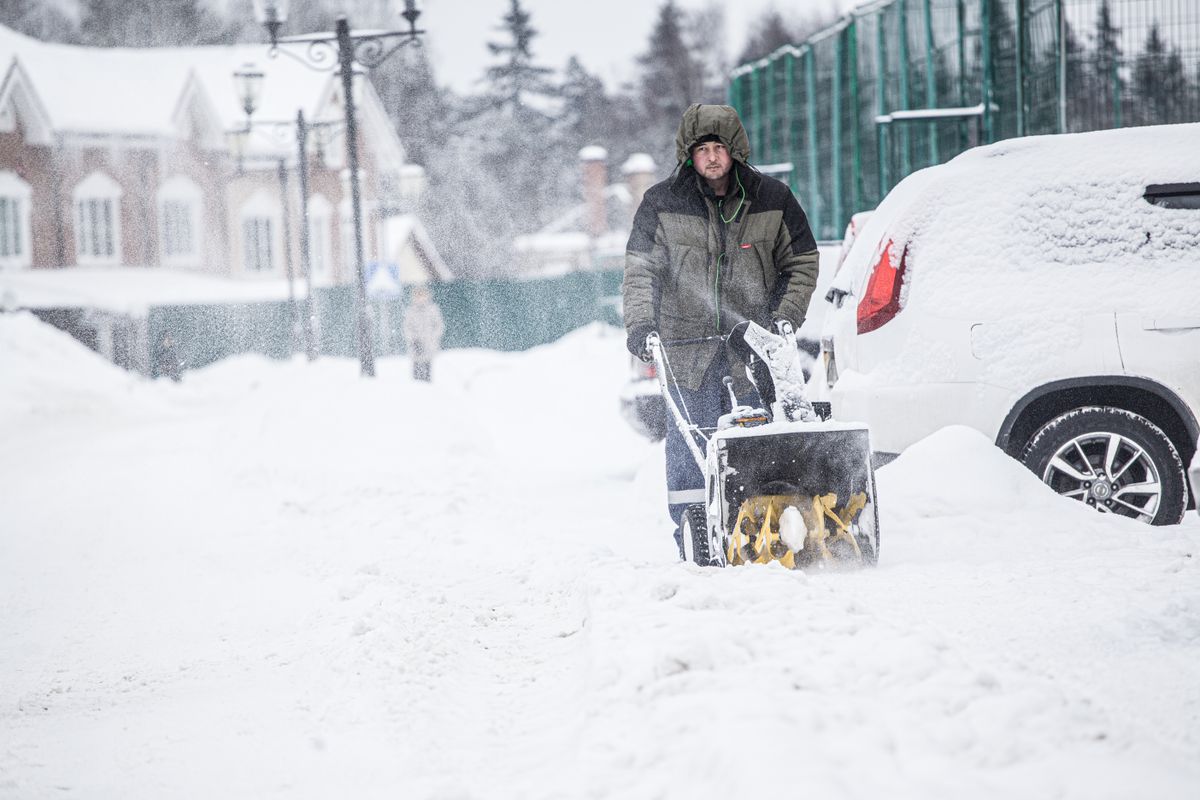
Movers carry heavy, awkward loads and often cannot see their feet. When you are moving in the snow, the walking surface matters more than anything else you do that day.
- Shovel the driveway, the walkway, the steps, and the porch down to the surface, wide enough for two people carrying a sofa
- Spread ice melt or sand, and do it again during the day if snow keeps falling
- Clear a parking space for the truck as close to the door as possible, including the curb if it parks on the street
- Do the same at the new home. If it is vacant or far away, arrange for someone to clear it the day before
- Keep the shovel, the ice melt, and a broom out of the boxes. They ride in your car

Protect floors when moving in winter
Snow, salt, and grit come in on every pair of boots. To protect floors when moving in winter, cover them before the first trip.
- Lay floor runners, flattened cardboard, or old rugs from the door along the main routes
- Put a heavy mat outside the door and another inside
- Avoid loose plastic sheeting on hard floors and stairs. It gets slick when wet
- Keep old towels by the door to dry the entry and wipe down furniture and boxes
- Set up a relay if the crew suggests it: some people stay inside carrying to the door, others carry from the door to the truck, so wet boots stay out of the house
Protect the new home the same way before anything comes off the truck.
Planning a winter move? Tell us your dates and both addresses, and we will send a free, no-obligation quote.
Protect belongings from cold and moisture
The back of a moving truck is not heated. Most furniture does not mind, but some things do.
- Electronics. Carry laptops, tablets, and cameras in your car. Let TVs and computers that rode in the truck come to room temperature before you plug them in, because condensation can form inside a cold device brought into a warm room
- Liquids. Anything water-based can freeze and split its container. Carry what you want to keep and use up or give away the rest
- Houseplants. A few minutes of freezing air can damage them. Wrap them and move them in a warm car
- Dishes and glass. Pack with extra paper. Cold makes fragile items less forgiving of a bump
- Pianos and wood instruments. They react to swings in temperature and humidity. Tell your mover about them when you ask for a quote
- Upholstery, mattresses, and boxes. Use mattress bags and stretch wrap, tape box seams fully, and never set boxes down in snow
If you would rather hand this part off, our packing services include the boxes, paper, bubble wrap, and tape.
Keep the heat, lights, and utilities on
- Schedule utilities so heat and electricity are on at both homes on moving day
- Have the heat running at the new home before you arrive. With doors open it will not keep up, so close off rooms as they fill
- Make sure outdoor lights work at both addresses. It may be dark before the truck is empty
- If the old home will sit empty in freezing weather, ask your landlord, agent, or utility what to do about heat and water so the pipes are protected
- Have something hot to drink ready for your family and the crew
Dress and drive for the conditions
Wear layers you can take off once you warm up, waterproof boots with real tread, and gloves that grip. Keep a dry change of gloves and socks handy.
For the drive, especially a long one:
- Fill the tank and check tires, wipers, and washer fluid the day before
- Pack an ice scraper, a blanket, water, snacks, a flashlight, and a phone charger where you can reach them
- Check road conditions before you leave and again at each stop
- Give yourself extra time. Nothing in the truck is worth rushing on ice
Winter moving day checklist
- Check the forecast and road conditions first thing, and call your mover with any concern
- Shovel and salt the driveway, walkway, and steps
- Lay floor protection and set out mats and towels
- Load electronics, plants, liquids, and valuables into your own warm car
- Keep kids and pets in one warm, closed room or with a sitter
- Confirm that heat and lights are on at the new home
- Clear and salt the new home before unloading starts
- Turn on the heat, unpack the cold-sensitive boxes, and let electronics warm up before use
That is the winter moving day checklist. For the weeks before, use our full moving checklist, and when you have a date in mind, request a free quote. Plan on 1 to 2 weeks of notice for a local move and 3 to 4 weeks for a long-distance move.
Key takeaways
- Winter offers more open dates, but you need a backup plan for storms
- Clear and salt driveways, walkways, and steps at both homes
- Cover floors at the entry before the first trip
- Carry electronics, plants, and freezable liquids in your own heated car
- Keep heat and lights on at both addresses and start early