

Quick answer
The safe way to move a piano is with an experienced crew and the right equipment: a piano board, heavy-duty dollies, straps, pads, and enough people. Pianos are extremely heavy, top-heavy, and delicate inside. Your job is preparation: measure the route, clear the path, secure the lid, and give your mover the details.
In this guide
- Why moving a piano is different from moving furniture
- Moving an upright piano vs. moving a grand piano
- Can you move a piano yourself
- How to move a piano the way piano movers do
- How to prepare a piano for moving
- What to tell your mover when you ask for a quote
- After the move: placement and tuning
- Common piano moving mistakes
- Frequently asked questions
Why moving a piano is different from moving furniture
A sofa is bulky. A piano is bulky, far heavier, and built around parts that do not forgive mistakes. Inside the cabinet is a cast iron frame holding strings under high tension, a wooden soundboard, and an action made of many small wood and felt parts.
Three things make it dangerous to move:
- Weight. Even a small upright weighs several hundred pounds, and grand pianos weigh considerably more
- Balance. The weight is not centered. An upright carries most of it high and toward the back, so it wants to tip
- Fragility. Legs, pedals, and the finish are easy to break or scar, and a hard jolt can damage what you cannot see
When a piano gets away from the people carrying it, nobody can catch it. That is how backs, hands, and feet get hurt, and how stairs, floors, and walls get destroyed.
Moving an upright piano vs. moving a grand piano
Upright pianos move in one piece. A crew wraps the piano in thick pads, lifts it onto a heavy-duty dolly, straps it down, and rolls it out, with extra hands on any step or slope. The small casters on the bottom of many uprights are not made for rolling across a house. They can seize, gouge a floor, or snap off, so a crew does not rely on them.
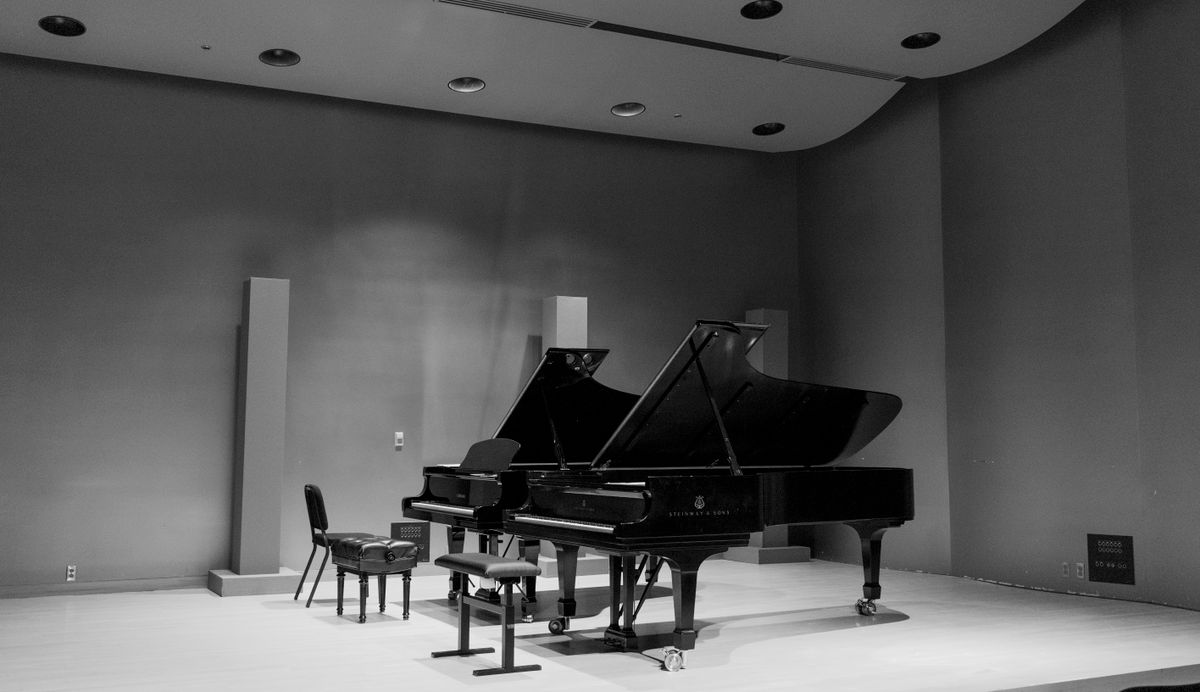
Grand pianos have to be partly taken apart. The lid is secured or removed, the pedal assembly comes off, and the legs are removed one at a time while the body is lowered onto its long, flat side on a padded piano board. The piano is strapped to the board, wrapped, and moved on a dolly. At the new home the steps run in reverse. This takes training, and it is not a job to learn on your own instrument.
Digital pianos and keyboards are a different matter. Most are light enough for two people. Remove the stand and pedal unit, then pad and box the keyboard like any other electronics.
Can you move a piano yourself
People do, and some of them get away with it. We do not recommend it, and here is the honest reason: the cost of it going wrong is far higher than the cost of hiring help. A slipped grip can mean a serious injury, a ruined instrument, or a damaged staircase, sometimes all three.
Leave it to a professional crew without question if any of these apply:
- There are stairs, inside or outside, at either home
- The piano is a grand or a baby grand
- The route has tight turns, narrow doors, or a steep driveway
- The piano is valuable, antique, or sentimental
- You do not have several strong, experienced helpers and proper equipment
Rolling an upright across one level room to make space for new flooring is one thing. Getting it out of the house, up a truck ramp, and into another house is another.
How to move a piano the way piano movers do
- A piano board, also called a skid board, to carry a grand on its side
- Heavy-duty dollies rated for the load, not the light furniture dollies sold for household use
- Lifting and tie-down straps to control the weight and secure it in the truck
- Thick moving pads and stretch wrap to protect the finish
- Ramps and floor protection for thresholds, steps, and hardwood
- Enough trained people who have done it before and know who calls the moves
The equipment matters, but the experience matters more. Piano movers know where an instrument can be lifted, how it will shift on a ramp, and when to stop and rethink a turn.
Moving a home with a piano in it? Tell us the type and how many stairs when you request your free quote.
How to prepare a piano for moving
This part is yours. When you prepare a piano properly ahead of time, the move goes faster and safer.
- Measure the piano: height, width, and depth. For a grand, measure the length from the keyboard to the tail
- Measure the route at both homes: doorways, hallways, turns, and stair width. Count the steps
- Clear the path. Move rugs, plants, furniture, and wall hangings out of the way, and take a door off its hinges if the fit is close
- Empty the top and the bench. Remove lamps, photos, metronomes, and sheet music. Pack the music from inside the bench in a box
- Close the keyboard lid and lock it if it has a lock. Do not put tape on the finish
- Take photos of the piano from every side to record its condition
- Plan the destination. Decide exactly where the piano will sit so it is placed once
- Keep children and pets in another room while the crew works
Do not remove legs, pedals, or panels yourself. Leave any disassembly to the crew.
What to tell your mover when you ask for a quote
A piano should never be a surprise on moving day. When you request a quote, tell us:
- The type: spinet, console, studio, or full upright, baby grand, or grand
- The measurements you took
- How many steps there are at each home, and whether there is an elevator
- Any tight turns, narrow doors, or long carries
- Whether the move is local or long-distance
Those details decide how many people and what equipment the job needs, and they are what the price depends on. A ground-floor upright with a clear path is a very different job from a grand going up a flight of stairs.
Ask how the piano will be covered in transit too. Our post on moving insurance and valuation explains the options.
After the move: placement and tuning
Place the piano away from heating and cooling vents, fireplaces, direct sun, and outside doors. Swings in temperature and humidity are hard on the wood and the tuning.
Expect to have it tuned after a move, but not on the first day. A piano needs time to settle into the temperature and humidity of its new room. Many technicians suggest waiting a few weeks, so ask yours what they recommend. Play it in the meantime. That does no harm.
Common piano moving mistakes
- Rolling an upright on its own casters across floors and thresholds
- Lifting or pulling by the legs
- Trying stairs with too few people
- Using a light furniture dolly or a hand truck
- Not measuring, then getting stuck at a turn
- Laying an upright on its back to fit it in a pickup or van
- Leaving it unstrapped in the truck
- Not telling the mover about the piano until the crew arrives
More planning help is on our moving tips page.
Key takeaways
- Pianos are extremely heavy, unevenly balanced, and delicate, which is why they injure people and damage homes
- Stairs, grand pianos, and tight turns mean a professional crew, without exception
- Your job is to measure, clear the path, empty the top and bench, and secure the lid
- Give your mover the piano type, measurements, and stair count when you ask for a quote
- Keep the piano away from vents and sun, and let it settle before tuning