
Quick answer
To move a restaurant, confirm permits and inspections with your local health department first, then set a closing date and a reopening date. Have licensed trades disconnect gas and refrigeration equipment, clean everything before it travels, run down food inventory, and schedule movers for the days you are already closed.
In this guide
- Start with a restaurant relocation checklist and two dates
- Permits, inspections, and licenses at the new location
- Who disconnects commercial kitchen equipment
- Preparing and moving restaurant equipment
- What to do with food, alcohol, and supplies
- Dining room furniture, bar, and decor
- How to move a restaurant with the least time closed
- What to ask restaurant movers
- Frequently asked questions
Start with a restaurant relocation checklist and two dates
A restaurant loses money every day the doors are closed, and the reopening usually depends on permits and inspections. That makes relocating a restaurant different from moving an office. The move itself is the easy part. The schedule around it is the hard part.
Set two dates before anything else: the last day of service at the old location and the target reopening day at the new one. Then build your restaurant relocation checklist backward from the reopening:
- Lease terms at both addresses: move-out date, what stays with the building, and restoration duties
- Permits, licenses, and inspections for the new location
- Build-out and utility work at the new space, and when it will be finished
- An equipment list marked move, sell, replace, or stays with the landlord
- Trades to disconnect and reconnect equipment
- Vendors, deliveries, and services to stop and restart
- Staff schedule during the closed period
- Customer announcements
Name one person to own the list. In most restaurants that is the owner or general manager, with the chef responsible for the kitchen.
Permits, inspections, and licenses at the new location
Do this first, before you commit to a reopening date. Do not assume the permits you hold now cover a new address.
Requirements for plan review, health permits, and pre-opening inspections vary by city and county. Call your local health department early, tell them you are relocating, and ask exactly what they need and how long each step takes. Ask the same questions of:
- The local building department, about permits for construction, signs, and occupancy
- The fire marshal, about the hood and fire suppression system
- Your state or local alcohol licensing agency, if you serve alcohol, about how a change of location is handled
- Your city or county business license office
- Your insurance agent, about coverage at the new address and during the move
Get the answers in writing where you can, and put every inspection on the calendar. The inspection schedule, not the moving truck, usually decides your reopening day. An attorney or a local restaurant association can help if the requirements are unclear.
Who disconnects commercial kitchen equipment
Movers move equipment. They do not disconnect gas lines or handle refrigerant. Line up the right people for each piece:
| Equipment | Who should disconnect and reconnect it |
|---|---|
| Gas ranges, ovens, fryers, grills | A licensed plumber or gas fitter |
| Walk-in coolers, freezers, refrigeration with remote compressors | A licensed refrigeration technician |
| Exhaust hood and fire suppression system | The company that services the system |
| Dish machine, ice machine, beverage systems | The leasing or service company, if leased. Otherwise a plumber |
| Hard-wired electrical equipment | A licensed electrician |
| Point-of-sale system and phones | Your POS vendor or IT provider |
Check which items you actually own. Leased equipment often has to be moved by the company that owns it, and some fixtures may belong to the landlord under your lease.
Preparing and moving restaurant equipment
Commercial kitchen equipment moving goes smoothly when the prep is done before the crew arrives:
- Measure every large piece and every doorway, hallway, and turn at both locations. Know in advance what must come apart
- Clean and degrease everything. Greasy equipment is slippery to carry and marks whatever it touches
- Drain and cool fryers, and dispose of the oil through your grease service
- Empty, defrost, and dry refrigerators and freezers after the technician shuts them down
- Remove shelves, racks, grates, and loose parts. Wrap and label them by the unit they belong to
- Tape or tie doors shut and protect glass and control panels
- Tag each piece with its position on the new kitchen plan so it is set down in the right place the first time
Pack smallwares, pans, and dishes in labeled boxes by station. Glassware and plates need the same care they would get in a home move, in far larger numbers. Our packing services include the boxes, paper, bubble wrap, and tape.
Relocating your restaurant? Get a free quote based on a walkthrough, with night and weekend moves available.
What to do with food, alcohol, and supplies
- Run inventory down. Order light in the last two weeks and build specials around what you have
- Perishables do not go on the moving truck. Use them, donate what a local food bank will accept, or move them yourself in a way that keeps them at safe temperatures. See what movers won't move
- Alcohol. Rules about transporting inventory between locations differ by state. Ask your alcohol licensing agency before you move any
- Cleaning chemicals, propane, and fuel should not travel with a mover. Use them up or dispose of them properly
- Dry goods and paper supplies can be boxed and moved
Pause standing deliveries, linen service, and waste pickup at the old address and set start dates at the new one.
Dining room furniture, bar, and decor
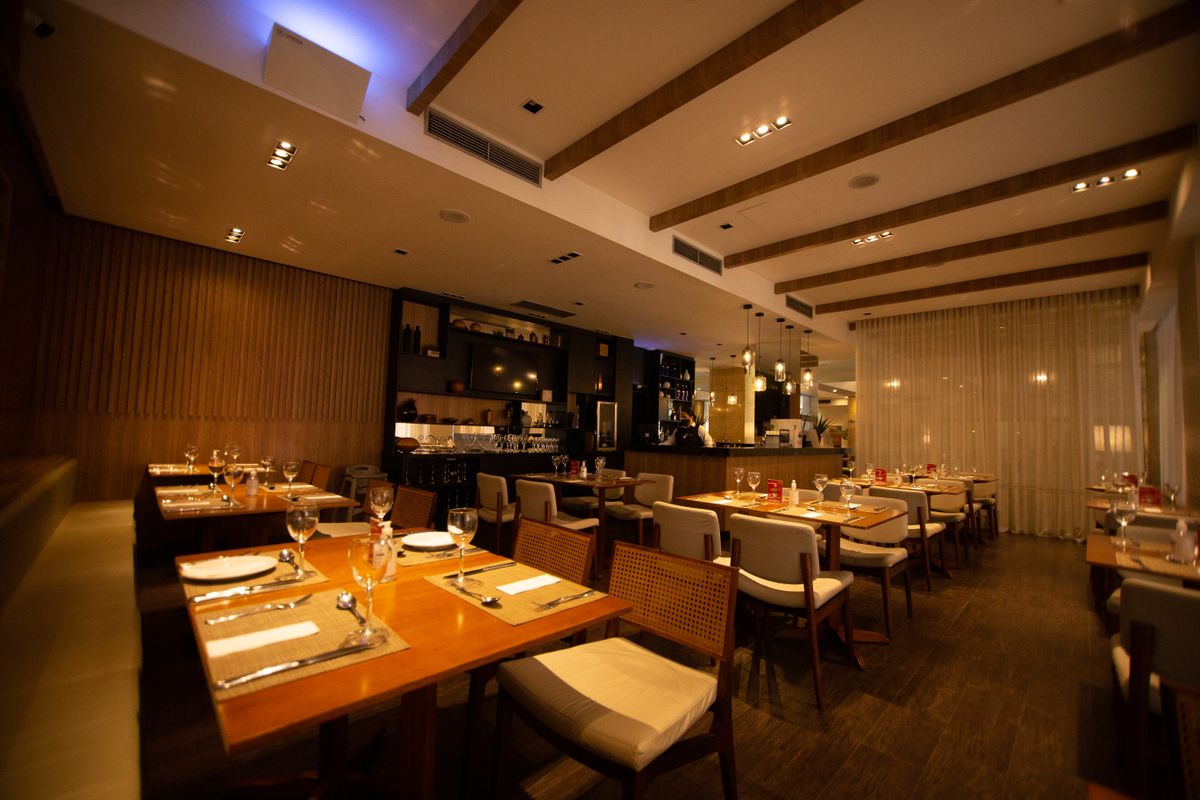
The front of the house is closer to a standard commercial move. Tables, chairs, booths that are not built in, host stands, shelving, artwork, and decor are wrapped, loaded, and placed by your floor plan.
- Number the tables on the new floor plan and tag each table and its chairs to match
- Take table tops off their bases when they are designed to come apart
- Pack bar glassware in divided boxes
- Photograph the old dining room so decor can be rehung the same way, if that is what you want
- Tell the mover in advance about anything heavy or fragile: a host stand, large mirrors, heavy planters
How to move a restaurant with the least time closed
- Finish construction, utilities, and as many inspections as possible at the new space before you close the old one
- Close after a normal slow period. If you are dark on Mondays, start the move Sunday night
- Schedule trades in order: disconnect, move, reconnect, then inspection
- Move storage, decor, and spare equipment ahead of time
- Book movers for a night or weekend start so no service is lost to loading
- Plan a soft opening for a day or two before you announce the reopening date widely
- Tell customers early and often. Our guide on how to announce a business move covers the notices
What to ask restaurant movers
- Will you walk through both locations before quoting?
- Can you work overnight or on the days we are closed?
- What do you need disconnected, cleaned, and emptied before you arrive?
- How do you protect stainless equipment, glass doors, and floors?
- Can you provide the insurance certificate our landlords require?
Allpoints Moving Services is a family-owned, licensed and insured mover based in Metro Atlanta, in business since 1999. Our commercial moving crews pack, load, move, and place furniture and equipment, often at night or on weekends, and work around the schedule your trades and inspectors set. Quotes are free and based on a walkthrough of your space.
Request a free quote or call (678) 886-0944.
Key takeaways
- Call your local health department before you set a reopening date
- Licensed trades disconnect and reconnect gas, refrigeration, and hood systems
- Clean, drain, and empty equipment before the movers arrive
- Run food inventory down. Perishables do not go on the truck
- Move during days you are already closed