Quick answer
To prepare appliances for moving, follow four steps for each one: disconnect it, drain any water, defrost anything with a freezer, and dry it completely. Start the refrigerator and freezer two days ahead, the washer and dishwasher the day before, and have a qualified technician disconnect any gas appliance.
In this guide
- How to prepare appliances for moving: the four steps
- When to start preparing each appliance
- How to move a refrigerator and freezer
- How to prepare a washing machine for moving
- Moving a washer and dryer: what the dryer needs
- Dishwasher, range, and microwave
- Who should disconnect gas appliances
- Reconnecting appliances at the new home
- Frequently asked questions
How to prepare appliances for moving: the four steps
Most appliance damage on a move has nothing to do with dents. It comes from water. A freezer that was not defrosted melts in the truck and soaks the boxes next to it. A washer hose that was not drained does the same. A refrigerator closed up while still damp can grow mildew.
The fix is the same four steps for every appliance: disconnect, drain, defrost, dry. None of them is hard, but several take a day or more, so they cannot wait for moving morning. Before you start, find the owner's manual for each appliance or look it up by model number. The manufacturer's moving instructions always come first.
When to start preparing each appliance
| Appliance | Start | Main jobs |
|---|---|---|
| Gas range or gas dryer | 1 to 2 weeks ahead | Book a qualified technician to disconnect it |
| Refrigerator and freezer | 2 days ahead | Empty, defrost, clean, dry with doors open |
| Washing machine | 1 to 2 days ahead | Drain hoses, dry the drum, secure it for transit |
| Dishwasher | 1 to 2 days ahead | Disconnect, drain, dry with the door open |
| Electric dryer and range | The day before | Unplug, clean, secure loose parts |
| Microwave and small appliances | The day before | Remove and wrap loose parts, box them |
Add these dates to your moving checklist so the last load of laundry and the last frozen dinner are planned, not accidents.
How to move a refrigerator and freezer
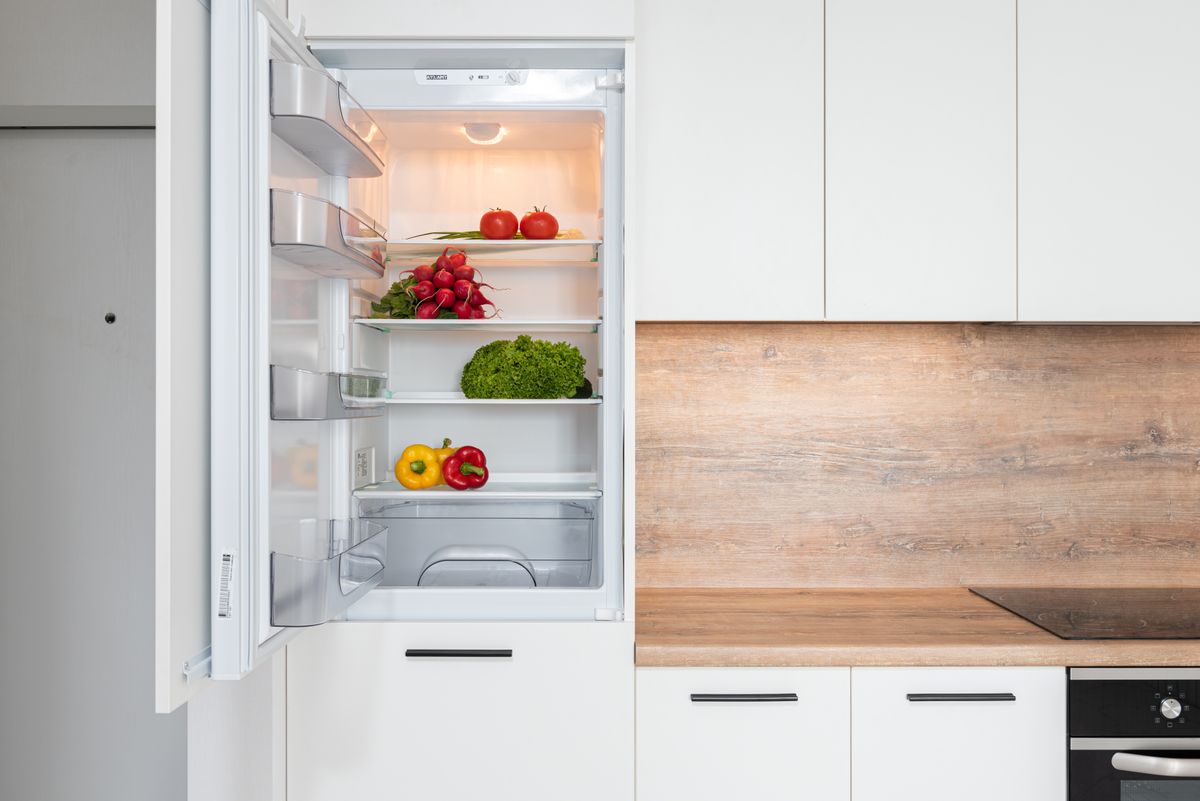
- Eat down or give away the food. Perishables should not travel on the truck. Pack what you are keeping in a cooler for your own car
- Unplug it and defrost the freezer before moving. Allow a full day or two. Prop the doors open and put towels down to catch the melt. Do not chip at ice with a knife
- Disconnect the water line if you have an ice maker or water dispenser. Shut off the supply valve first, then empty the ice bin and any water reservoir
- Empty the drip pan under the unit if yours has one
- Wash and dry the inside. Wipe every surface with mild soap or baking soda and water, then leave the doors open until it is completely dry
- Secure the loose parts. Take out glass shelves and drawers and wrap them separately, or tape them in place if the manual allows
- Coil and tape the power cord to the back
A refrigerator should travel upright whenever possible. Laying it down can let compressor oil flow where it should not go. At the new home, let it stand upright before you plug it in, and follow the time in your manual. Manufacturers differ: some say a few minutes is enough after a short, upright move, while one that lay on its side may need to stand for hours, or as long as a full day, before it is switched on.
How to prepare a washing machine for moving
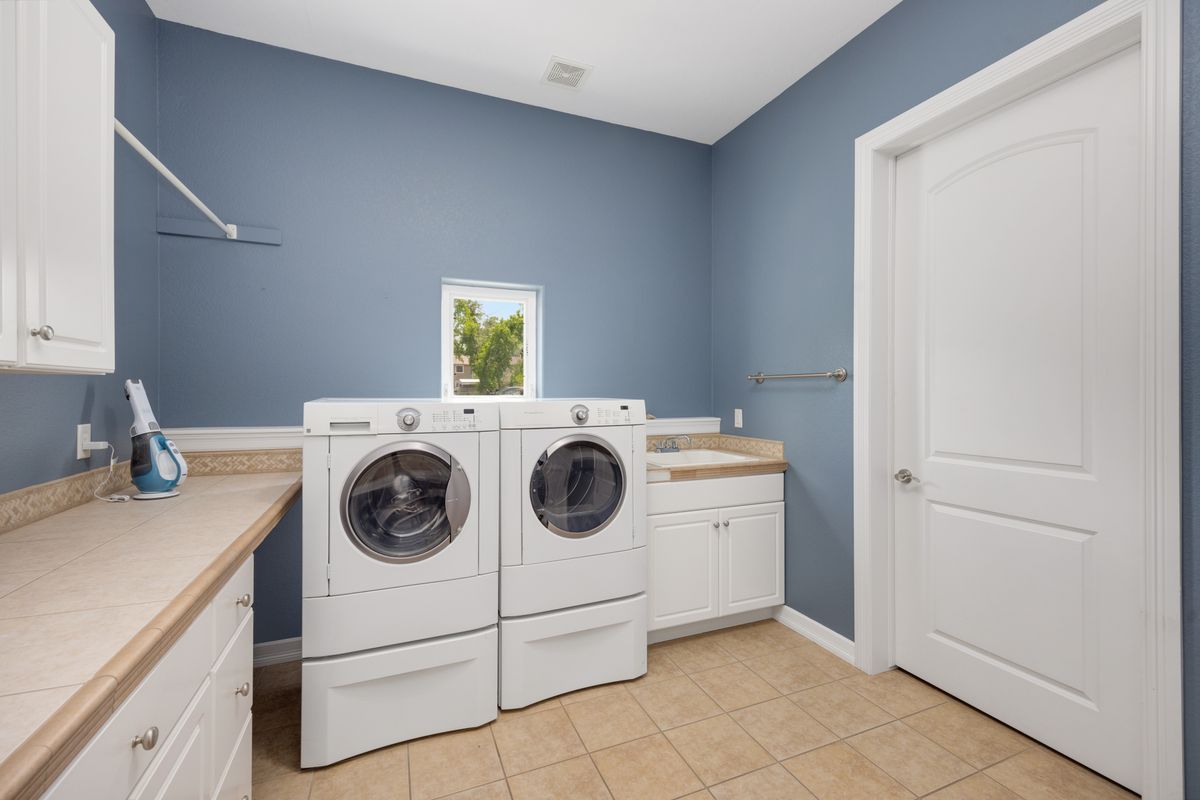
- Run a final empty cycle with hot water a couple of days ahead to clear out detergent residue
- Turn off both water supply valves at the wall and unplug the machine
- Disconnect the fill hoses and the drain hose. Keep a bucket and towels ready, because all three hold water. Drain them fully
- Drain the pump if your model has a small drain filter or hose near the bottom front
- Leave the door or lid open for at least 24 hours so the drum and the door seal dry out
- Secure the drum. Front-load washers ship with transit bolts that lock the drum in place. Reinstall them before the move, or have an authorized service technician do it. If you no longer have them, order a set by model number. Top-load machines are secured the way the manual describes
- Bag the hoses and hardware and tape the bag inside the drum
Skipping the transit bolts is a costly mistake. An unsecured drum can swing on its suspension and damage the machine from the inside.
Tell us which appliances are coming so the crew arrives ready to move them safely. Quotes are free and no-obligation.
Moving a washer and dryer: what the dryer needs
The dryer is the easier half of moving a washer and dryer. Unplug it, pull it forward gently, and detach the vent duct from the back. Clean the lint screen and vacuum lint out of the duct and the vent opening. A crushed or torn foil duct is cheap to replace, so plan on a new one at the other end.
If the dryer is gas, stop there. The gas supply must be shut off and the line disconnected and capped by a qualified person. See the gas section below.
Dishwasher, range, and microwave
Dishwasher. Run it empty, then switch off the power at the breaker and close the water supply valve under the sink. Disconnect the supply line and the drain hose and let them empty into a pan. Leave the door open for a day to dry. Many dishwashers are wired directly and fastened under the counter, so if you are not comfortable with that, hire a plumber or appliance technician.
Electric range. Clean it well, since baked-on grease smells and stains in a closed truck. Unplug it, remove the racks and any loose burner pans, and wrap them separately. Tape the oven door shut and the knobs in place.
Microwave. Take out the glass turntable, wrap it like a dinner plate, and box the microwave snugly with padding on every side. Countertop appliances pack the same way. Our guide on how to pack a kitchen for moving covers the small ones.
Who should disconnect gas appliances
Do not disconnect gas appliances yourself unless you are qualified to do it. A gas range, gas dryer, or gas water heater should be shut off, disconnected, and capped by a licensed gas fitter, a plumber, an appliance technician, or your gas utility. Rules on who may do this work vary by state and city, so ask your gas company what applies where you live.
Moving crews generally do not disconnect or reconnect gas lines, and many do not handle water line connections either. Ask your mover exactly what the crew will and will not disconnect when you book. When you request a free quote from us, list every appliance that is going so we can plan the right equipment and tell you what needs to be ready before we arrive.
Reconnecting appliances at the new home
- Measure first. Check the doorways, the laundry closet, and the refrigerator opening before the truck arrives
- Remove the transit bolts from the washer before the first load. With them in, the washer will not run properly and vibrates hard
- Use new washer fill hoses if the old ones are stiff, cracked, or bulging
- Level each appliance. An unlevel washer walks and an unlevel refrigerator door will not seal
- Let the refrigerator stand for the time your manual gives before plugging it in, then let it reach temperature before you load food
- Have gas appliances reconnected and leak tested by a qualified technician
If you would rather hand off the wrapping and padding, our packing services cover appliances and everything around them, with boxes, paper, bubble wrap, and tape included in the quote.
Key takeaways
- Every appliance gets the same four steps: disconnect, drain, defrost, dry
- Start the refrigerator and freezer two days ahead and leave the doors open until fully dry
- Drain every washer hose and reinstall the transit bolts on a front-load washer
- Have gas appliances disconnected and reconnected by a qualified technician
- Keep the refrigerator upright and let it stand before plugging it back in