Quick answer
Since 1999, the way people find a mover, get an estimate, and stay in touch on moving day has moved from phone books, paper forms, and landlines to search results, video surveys, and text messages. What has not changed is the job itself: careful hands, arriving on time, and honest pricing.
In this guide
- How moving has changed since 1999
- How to find a mover: from the phone book to search results
- How moving estimates have changed
- How communication on moving day has changed
- How homes and belongings have changed
- What has not changed at a family-owned Atlanta moving company
- Where Allpoints stands today
- Frequently asked questions
How moving has changed since 1999
Allpoints Moving Services has been in business since 1999. It is family-owned and operated and based in Metro Atlanta. Since 1999 the tools around a move have changed almost completely. Here is the short version.
| Part of the move | Around 1999 | Today |
|---|---|---|
| Finding a mover | Phone book, newspaper ads, a neighbor's recommendation | Online search, map listings, online reviews, and still a neighbor's recommendation |
| Getting an estimate | A phone call and a visit with a clipboard | Online forms, photos, video walkthroughs, and in-person visits |
| Paperwork | Paper forms with carbon copies, checks and cash | Emailed documents, electronic signatures, card payments |
| Directions | Paper maps and written directions | GPS navigation with live traffic |
| Staying in touch | Landlines and the occasional cell phone | Calls, texts, and email from anywhere |
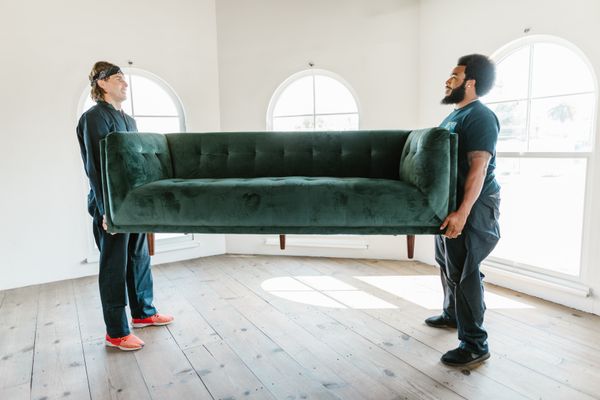
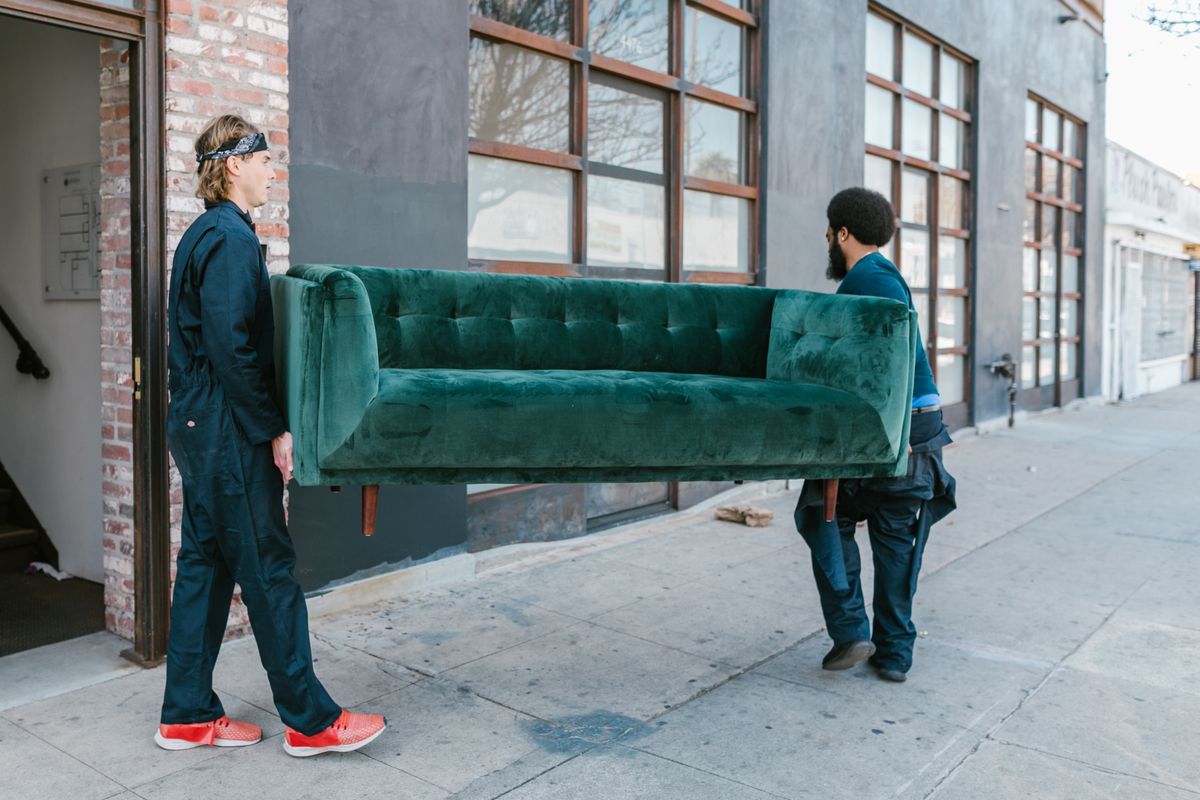
Every one of those changes made moving easier to arrange. None of them carries a sofa down a flight of stairs.
How to find a mover: from the phone book to search results
In 1999, most people looking for a mover opened the phone book or asked someone they trusted. Choices were local and limited, and a company's reputation traveled by word of mouth.
Today a search for a mover returns dozens of results in seconds. That is good for customers, who can compare companies and read what other people experienced. It also means more sorting, because a polished website tells you very little about who will show up at your door. The basics of how to find a mover have not moved an inch:
- Look for a real company with a physical base and a phone that a person answers
- Ask whether you are hiring licensed and insured movers, and ask for the details in writing
- Get a written estimate that explains how the price is calculated
- Ask who will actually do the move
Our moving FAQs answer the questions we hear most often.
How moving estimates have changed
A moving estimate used to start with a phone call and usually ended with someone walking through the house with a clipboard. That visit still happens, and for a large home it is often the best way to get an accurate number. What has changed is how many other ways there are to describe a home: an online form, a typed inventory, photos, or a video call where you walk the rooms with your phone.
The math behind moving estimates is the same as it always was. A local move is typically billed by the hour, based on the size of the crew and the truck you need. Long-distance moving is quoted as a flat rate based on distance, inventory, and added services such as packing. Our quotes are free and come with no obligation.
Faster tools have one risk: a quick estimate is only as good as the information behind it. Whatever the method, an accurate quote still depends on telling the mover about everything, including the garage, the attic, and the storage unit.
Family-owned and operated in Metro Atlanta since 1999. Tell us about your move and get a free, no-obligation quote.
How communication on moving day has changed
For a customer in 1999, moving day involved a fair amount of waiting by the window. Once a truck left the yard, reaching the crew was not simple, and a driver in an unfamiliar neighborhood worked from a map and handwritten directions.
Now nearly everyone on both sides of a move carries a phone. A crew can call ahead, a customer can send a gate code or a photo of the loading dock, and navigation routes a truck around a wreck on the interstate. On a long-distance move, where your belongings are on the road for days, being able to reach a person and get a straight answer matters more than any other change on this list.
How homes and belongings have changed
What goes on the truck is different too.
- Televisions. The heavy, deep tube TV and the entertainment center built to hold it have given way to large flat screens. They are far lighter and far easier to damage, so they need a proper box and careful handling
- Media. Shelves of CDs, DVDs, and videotapes have thinned out in many homes as music and movies moved to streaming
- Home offices. A corner desk has become a full room in many households, with monitors, printers, and adjustable desks
- Exercise equipment. Treadmills, stationary bikes, and weight racks are common, heavy, and awkward on stairs
- Ready-to-assemble furniture. It is everywhere, and it travels best when it is taken apart and put back together correctly
- Online shopping. Almost every home now has a steady supply of shipping boxes, though few are strong enough to reuse for a move
Some things are constant. Mattresses, dressers, dining tables, family photos, and boxes of books look much the same as they did in 1999, and they weigh the same.

What has not changed at a family-owned Atlanta moving company
Strip away the technology and a move is what it has always been: people carrying someone's belongings out of one home and into another without breaking them. The things that make that go well are not new.
- Careful hands. Furniture is padded and wrapped before it leaves the room. Boxes are stacked so nothing shifts. Floors and door frames are protected
- Showing up on time. A move is often tied to a closing, a lease, or an elevator reservation. When the truck is late, everything behind it is late
- Honest pricing. You should know how you are being charged before the first box is lifted
- Someone accountable. With family-owned movers, the people who own the company are people you can reach
None of this depends on software. It depends on training, habits, and caring how the job turns out.
Where Allpoints stands today
Allpoints is family-owned and operated, based in Metro Atlanta, and licensed and insured (USDOT 875772, MC-552298). We move customers nationwide. We work as a contract carrier for one of the biggest van line moving companies in the country, which is what makes it possible, and affordable, to move clients from all over the country.
The services are the ones families and businesses have always needed: local and long-distance moving, commercial and office moves, packing and unpacking, furniture disassembly and assembly, loading and unloading, and labor-only help.
If a move is ahead of you, plan on 1 to 2 weeks of notice for a local move and 3 to 4 weeks for long-distance, with more in summer and at month-end. You can request a free quote online or call (678) 886-0944.
Key takeaways
- Allpoints has been family-owned and operated in Metro Atlanta since 1999 and moves customers nationwide
- Finding a mover, getting an estimate, and staying in touch have all moved online and onto phones
- Flat-screen TVs, home offices, and exercise equipment have changed what goes on the truck
- Careful handling, punctuality, and honest pricing matter as much now as they did in 1999
- Local moves are typically billed hourly and long-distance moves are quoted as a flat rate