Quick answer
On a typical local move, a moving crew checks the truck and equipment, walks through your home with you, protects floors and doorways, pads and wraps the furniture, loads the truck in a planned order, drives to the new home, places everything in the right rooms, reassembles furniture, and does a final walkthrough.
In this guide
- Before the crew arrives: how a typical day starts
- What movers do on moving day first: the walkthrough
- How movers protect furniture and the home
- Loading: the order things leave the house
- The drive, the break, and the second address
- Unloading and placing everything where you want it
- The final walkthrough and the end of the day
- How long does a local move take, and how can you help?
- Frequently asked questions
Before the crew arrives: how a typical day starts
A crew's day starts well before the truck pulls up to your curb. The first job is making sure the truck and the equipment are ready, because a missing tool first thing in the morning becomes a delay by midday. A typical check covers:
- The truck. Fuel, tires, lights, the ramp or liftgate, and a clean, swept cargo area
- Moving pads. Enough quilted pads to wrap every piece of furniture on the job
- Dollies and hand trucks, including an appliance dolly if a refrigerator or washer is on the list
- Straps and tie-downs to secure each section of the load
- Floor and doorway protection, stretch wrap, tape, and a tool kit for taking furniture apart
The crew leader also reviews the job: both addresses, the inventory, stairs or elevators, parking, and anything unusual such as a piano, a safe, or a long carry from the door to the truck. The more accurate the information you gave when you booked, the better this plan is.
What movers do on moving day first: the walkthrough
Nothing gets lifted right away. The moving day walkthrough comes first, and it is the most useful ten minutes of the day. The crew leader walks every room with you and confirms:
- What is going and what is staying
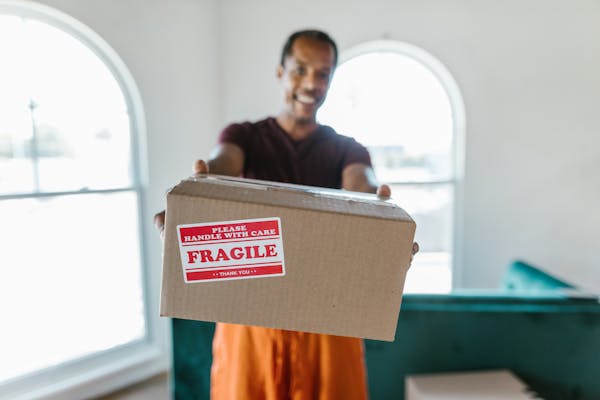
- Which items are fragile, valuable, or need special handling
- What needs to be taken apart, such as beds, tables, and sectionals
- Anything that is going somewhere other than the main destination
- The condition of floors, walls, and furniture before work begins
- The paperwork and how the job is billed
This is the moment to speak up. Point out the antique, the loose table leg, and the boxes that must stay with you. If you are wondering what to expect on moving day, expect questions. A crew that asks a lot of them is doing the job properly.
How movers protect furniture and the home
Before the first piece moves, a careful crew protects the path it will travel. Floor runners or other coverings go down in the main walkways. Door frames, banisters, and tight corners may be padded. Doors are propped open, and a door is sometimes taken off its hinges if the opening is tight.
Then the furniture is prepared, usually in the room where it sits:
- Padding. Wood, glass, and finished surfaces are wrapped in moving pads so nothing bare touches the truck wall or another piece
- Stretch wrap. It holds pads in place, keeps drawers and doors shut, and keeps upholstery clean
- Disassembly. Bed frames, table legs, and mirrors on dressers come apart, and the hardware is bagged and kept with the piece
- Mattresses, TVs, and artwork go into bags or boxes made for them
Furniture disassembly and assembly, and loading and unloading, are part of what Allpoints does on a move. If you also want the boxes packed for you, our packing services include the boxes, paper, bubble wrap, and tape in the quote.
Loading: the order things leave the house
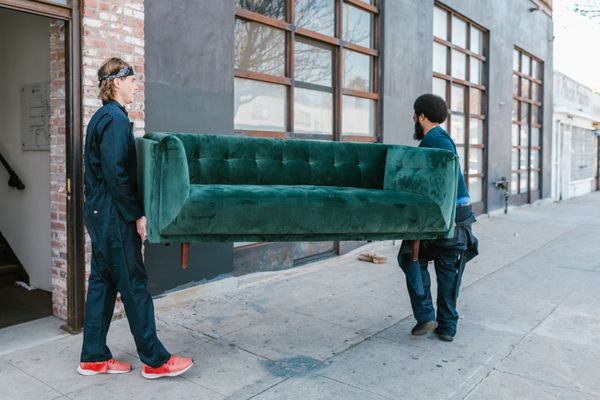
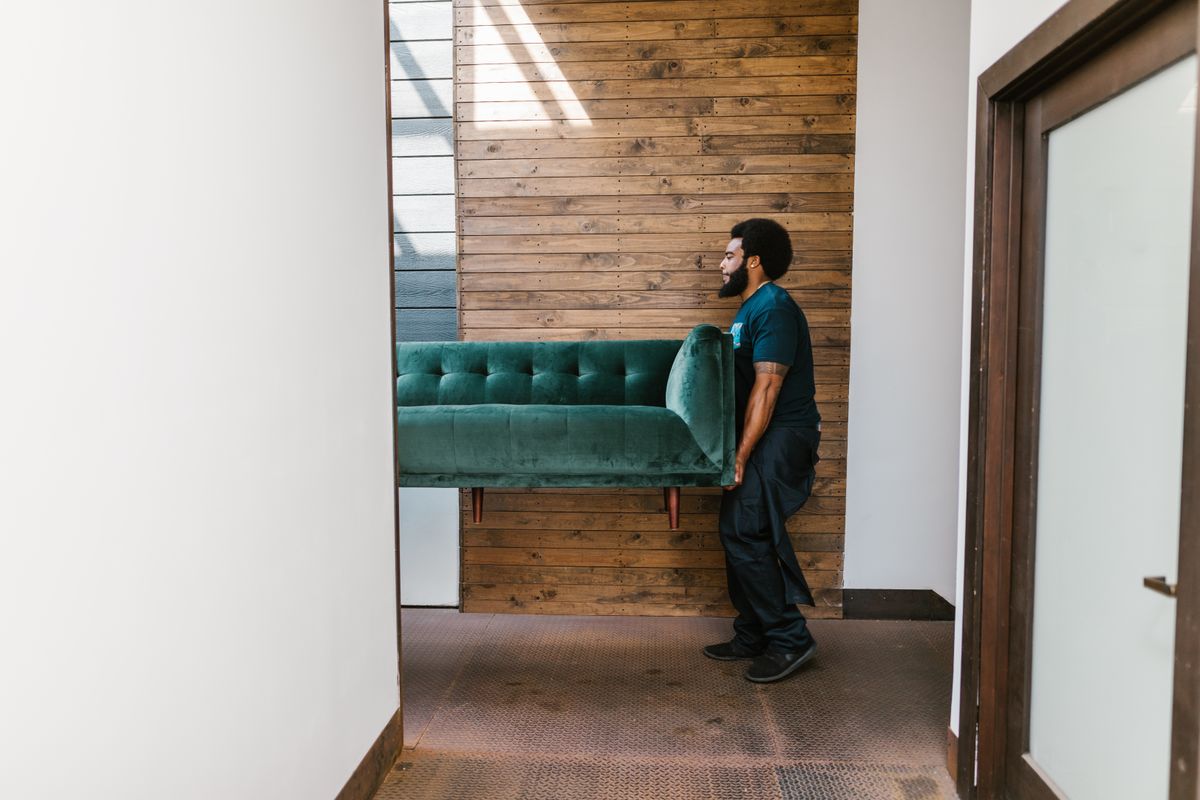
A good crew divides the work. Some people stay inside, wrapping and bringing items to the door. Others stay on the truck and build the load. That keeps the person who is stacking in one place, looking at the whole picture.
Things do not leave the house in room order. They leave in the order the truck needs them: heavy, square items such as appliances and dressers first, then boxes stacked in tight rows, then lighter and odd-shaped pieces. Each section is tied off before the next one starts. We explain the method in detail in how movers load a truck.
From the customer's side, loading can look slow at the start and fast at the end. The early time goes to protection and wrapping. That is what makes the rest go smoothly.
Want a careful crew on your moving day? Request a free, no-obligation quote from Allpoints.
The drive, the break, and the second address
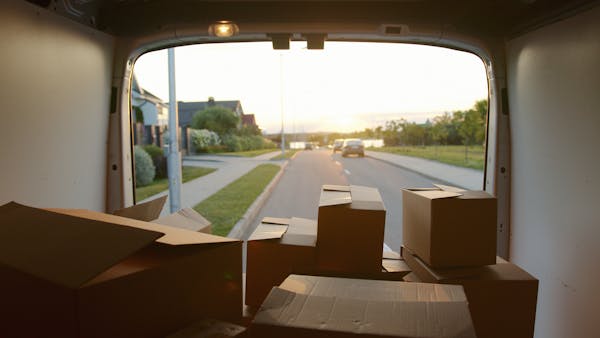
Before the truck door closes, the crew walks the home once more, checking closets, cabinets, the attic, the garage, and outside. You should walk it too. Then the load is secured and the truck heads to the new address.
A loaded truck is driven gently. Wide turns, long following distances, and slow speeds over bumps are part of protecting the load. On a local move, the drive is usually also when the crew eats, drinks water, and resets. Moving is hard physical work, and in a Georgia summer it is hot work. A crew that takes a short break works more safely and more carefully in the afternoon.
Unloading and placing everything where you want it
At the new home, the day starts over in miniature. The crew leader walks the house with you to learn which room is which. Floors and doorways are protected again. Then the truck is unloaded, generally in reverse order.
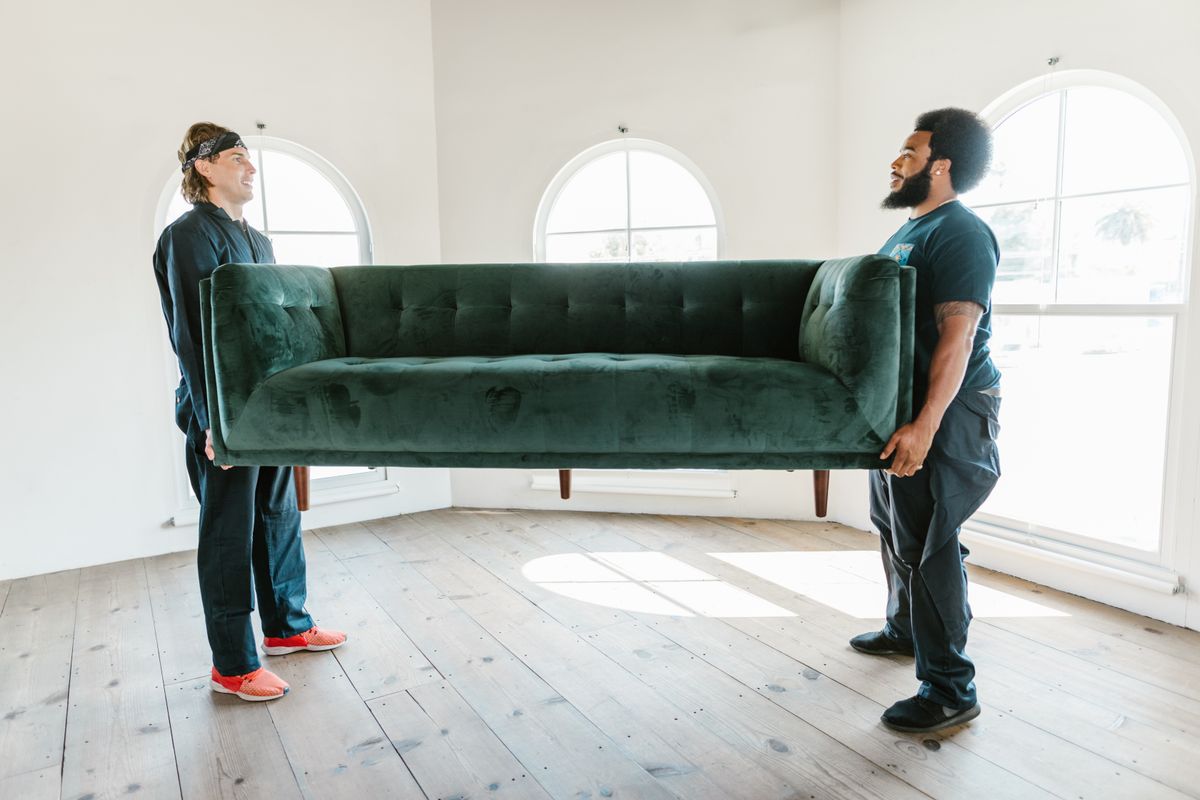
- Furniture is placed, not dropped off. Tell the crew where the sofa and the beds go, so each one is set down once
- Boxes go to the room written on them. Clear labels make this fast. See how to label moving boxes
- Furniture that was taken apart is put back together
- Pads and wrap come off and go back on the truck
The best thing you can do during unloading is stand near the door and direct traffic. One person answering "where does this go" keeps a local moving crew working without stops.
The final walkthrough and the end of the day
When the truck is empty, the crew leader walks the home with you one last time. Check that furniture is where you want it and assembled, look over the main pieces, and look inside the truck yourself to see that nothing is left. Then the paperwork is completed and the job is closed out.
For the crew, the day is not quite over. Pads are folded and counted, straps and tools are put away, and the truck is swept and readied so the next day can start on time.
How long does a local move take, and how can you help?
There is no single answer, because the time depends on the size of the home, how much is in it, stairs and elevators, the distance from the door to the truck, the drive between addresses, and how ready the home is when the crew arrives. Local moves are typically billed hourly based on crew size and truck needs, so preparation saves you money. The things that help most:
- Be fully packed, with every box closed, taped, and labeled
- Reserve the elevator and a parking space for the truck if your building or street requires it
- Clear the walkways, inside and out
- Keep children and pets in a safe place away from the work
- Carry valuables, medications, and documents yourself
Our moving checklist covers the weeks before the move. When you are ready, request a free quote and tell us as much as you can about both addresses.
Key takeaways
- A crew's day starts with a truck and equipment check and a review of your job
- The walkthrough comes before any lifting. Use it to point out fragile and special items
- Floors, doorways, and furniture are protected before anything is carried out
- The truck is loaded in a planned order and unloaded room by room
- Being fully packed and labeled is the best way to shorten an hourly local move