Quick answer
In your first week, test every smoke and carbon monoxide alarm, rekey or replace the exterior locks, and locate the main water shutoff valve, the breaker panel, and the gas shutoff. Then clean the dryer vent, change the HVAC filter, check fire extinguishers, and plan two ways out of the house. Follow manufacturer instructions and local codes.
In this guide
- Test smoke and carbon monoxide alarms first
- Rekey the locks on a new house
- Find the main water shutoff valve, breaker panel, and gas shutoff
- Clean the dryer vent and change the HVAC filter
- Walk the house for hazards
- New home maintenance checklist: what to repeat and how often
- Start a home file and finish settling in
- Frequently asked questions
Test smoke and carbon monoxide alarms first
Alarms come first on any new home safety checklist because you have no idea how old they are or when the batteries were last changed. According to the U.S. Fire Administration, smoke alarms belong inside and outside each bedroom and sleeping area and on every level of the home, including the basement. Its guidance is to test each alarm monthly, replace 9-volt and backup batteries at least once a year, and replace the entire alarm every 10 years.
- Press the test button on every smoke alarm and every carbon monoxide alarm
- Check the manufacture date printed on the back of each unit. If it is missing or too old, replace the alarm
- Put in fresh batteries unless the unit has a sealed long-life battery
- Add alarms where they are missing. The Consumer Product Safety Commission recommends a carbon monoxide alarm on each level of the home and outside sleeping areas. They matter most in homes with gas appliances, a fireplace, or an attached garage
- Check fire extinguishers. Keep one in the kitchen and one in the garage, and confirm that each pressure gauge reads in the green
Alarm requirements vary by state and local code. Follow the manufacturer's instructions for placement, and call your local fire department or building office if you are not sure what your area requires.
Rekey the locks on a new house
Previous owners, their relatives, contractors, cleaners, and neighbors may all have a key. You cannot know, so change the answer.
- Rekey or replace every exterior lock. To rekey locks in a new house, a locksmith changes the pins inside so old keys stop working. It usually costs less than new hardware and can put every door on one key
- Reset the garage door opener and clear any remotes or keypad codes you did not program
- Change the codes on keypad locks, gates, and the alarm system
- Test window locks and sliding door latches on the ground floor
- Check outdoor lighting at every entrance
If you rent, ask the landlord whether the locks were changed after the last tenant. Do not change them yourself without permission, since most leases address it.
Find the main water shutoff valve, breaker panel, and gas shutoff
The time to find these is before you need them. A burst supply line can put a lot of water on the floor in the minutes you spend searching.
- Main water shutoff valve. Usually where the water line enters the house: a basement or crawl space wall, a utility closet, the garage, or near the water heater. There is often a second shutoff at the meter by the street. Turn the valve to make sure it moves, and show everyone in the household
- Fixture shutoffs. Look for the small valves under each sink and behind each toilet
- Breaker panel. Often in the garage, basement, or a utility room. Open it, find the main breaker, and check that the circuits are labeled. If they are not, label them as you learn which is which
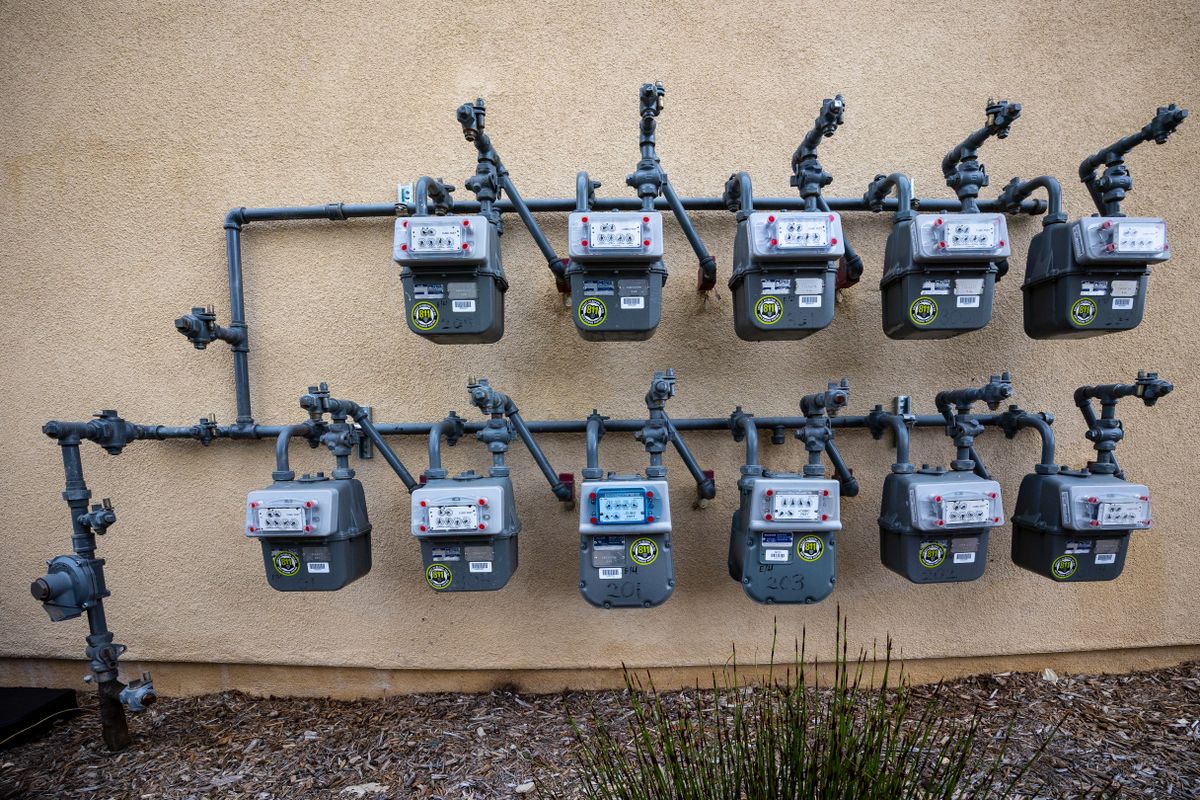
- Gas shutoff. At the meter, plus a valve at each gas appliance. If you smell gas, leave the house and call the gas company from outside. Let the gas company or a licensed professional turn service back on
- Outlets with test buttons. Press test and reset on the outlets in kitchens, bathrooms, the garage, and outdoors to confirm they trip
Anything that looks scorched, buzzes, or trips repeatedly is a job for a licensed electrician.
Save your energy for settling in. Get a free, no-obligation quote and let our licensed and insured crew do the lifting.
Clean the dryer vent and change the HVAC filter
Dryer. Lint that builds up in the vent is a fire hazard and makes the dryer work harder. Pull the dryer out, disconnect the duct, and clean the dryer vent from end to end, including the outside hood. Make sure the outside flap opens freely. If the duct is crushed or made of thin plastic or foil, replace it with the type the dryer manufacturer specifies.
Heating and cooling. Slide out the furnace or air handler filter, note the size printed on its frame, and replace it. Buy a few spares while you are at the store. If you do not have service records, schedule a checkup before the season when you will rely on the system most.
Water heater. Look for rust or moisture around the base and the fittings, and check the temperature setting against the manufacturer's recommendation, especially with young children in the house.
Walk the house for hazards
Take one slow lap inside and one outside with a notepad.
- Loose handrails, uneven steps, and torn carpet on stairs
- Windows that are painted shut or will not stay open, especially in bedrooms
- Drips under sinks and stains on ceilings
- Gutters that are clogged or downspouts that empty next to the foundation
- Tree limbs touching the roof or power lines
- With children: outlet covers, cabinet latches, and tall furniture and televisions anchored to the wall
- With a pool: fences and gates that meet local code
Then plan an escape route. Pick two ways out of every bedroom and a meeting spot outside, and walk it once with the whole household.
New home maintenance checklist: what to repeat and how often
Safety checks are not one-time jobs. Put these on a calendar, and adjust the timing to what each manufacturer recommends.
| Task | How often |
|---|---|
| Test smoke and carbon monoxide alarms | Monthly |
| Replace alarm batteries | At least once a year, unless sealed |
| Clean the dryer lint screen | Every load |
| Clean the dryer vent duct | On the dryer maker's schedule, and sooner if loads take longer to dry |
| Check or change the HVAC filter | As the filter maker directs. Check it monthly at first |
| Look at fire extinguisher gauges | Each time you test the alarms |
| Clean gutters | Spring and fall |
| Service heating and cooling equipment | Yearly |
Start a home file and finish settling in
Keep one folder with the inspection report, appliance manuals, warranties, paint colors, and the names of any contractors the seller used. Add a page of emergency numbers: the gas, electric, and water companies, a plumber, an electrician, and your insurance agent.
A safe house is easier to set up when you are not worn out from carrying it in. Our local moving crews handle the loading, unloading, and furniture assembly so you have the energy for this list. Request a free quote, and see our guides to setting up utilities at a new home and what to unpack first for the rest of move-in week.
Key takeaways
- Test every smoke and carbon monoxide alarm and check the manufacture dates
- Rekey or replace exterior locks and reset garage and keypad codes
- Find the main water shutoff, breaker panel, and gas shutoff before you need them
- Clean the dryer vent and change the HVAC filter in the first week
- Put recurring checks on a calendar and follow manufacturer instructions and local codes