Quick answer
Unpack in the order you will need things: the essentials box first, then beds and bedding, bathrooms, and the kitchen. Kids' rooms come next, followed by the living room and home office. Leave closets, the garage, books, and decor for last. Finish one room before starting another.
In this guide
What to do before you open a single box
The fastest unpacking starts while the truck is still being unloaded. A few decisions made in the first hour save days of shuffling later.
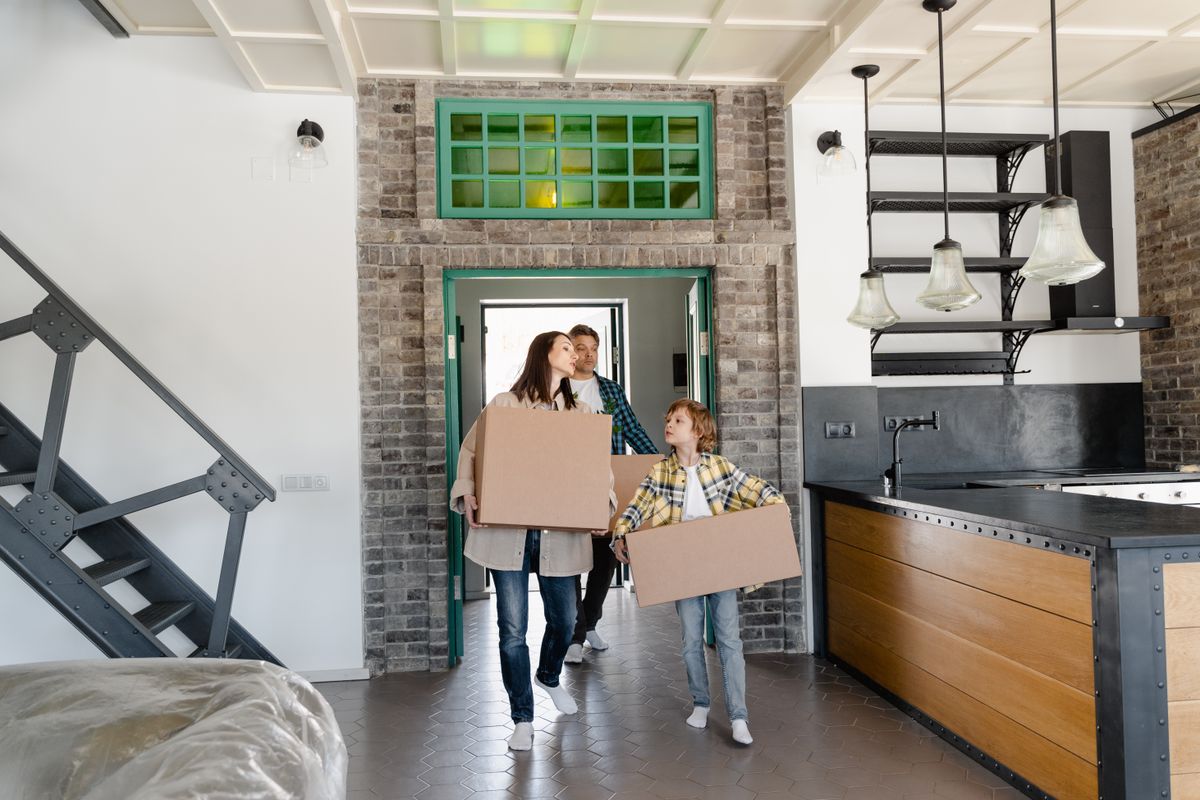
- Send every box to its room. Stand near the door and direct boxes by their labels. A box left in the wrong room gets moved twice
- Place the furniture first. Have beds, dressers, sofas, and tables set where they will live before boxes pile up around them
- Stack boxes along one wall of each room, labels facing out, so the floor stays clear to work
- Wipe shelves, drawers, and cabinets while they are still empty
- Confirm the basics work: lights, water, the refrigerator, heating or air conditioning
If furniture assembly is part of your move, ask the crew to put the beds back together before they leave. It is the single most useful thing to have finished on day one.
What to unpack first: the order that works
The rule is simple: unpack what you will use soonest, and finish one room before starting the next. Here is the unpacking order by room that suits most households.
| Order | What to unpack | Why it comes here |
|---|---|---|
| 1 | Essentials box | Bedding, toiletries, and tools for the first night |
| 2 | Beds and bedrooms | Everyone needs a place to sleep tonight |
| 3 | Bathrooms | Small, quick, and used within the first hour |
| 4 | Kitchen | The biggest job, and the one that ends the takeout |
| 5 | Kids' rooms | Familiar surroundings help children settle |
| 6 | Living room | A place to sit down at the end of the day |
| 7 | Home office | Sooner if bills or school forms are due |
| 8 | Closets and linens | Can be done a little each evening |
| 9 | Garage, storage, books, decor | Nothing here is needed this week |
If you packed a first night box, step one is already done.
Start with beds and bathrooms
Assemble the bed frames, put on sheets, and set out pillows before you do anything else. In each bedroom, unpack only what you need for the next two days: a few outfits, pajamas, an alarm clock, a lamp. The rest of the clothes can wait.
Bathrooms take about half an hour each and pay off right away. Hang the shower curtain, then put out towels, soap, toilet paper, and each person's toiletries. Medicines go on a high shelf or in a cabinet that young children cannot reach.
Rather be settled in days instead of weeks? Ask about unpacking and furniture assembly when you request your free quote.
Unpack the kitchen next
The kitchen has the most boxes and the most small decisions, so give it a block of uninterrupted time on the first full day.
- Decide the layout before opening boxes. Glasses near the sink, plates near the dishwasher, pots near the stove, spices within reach of where you cook
- Line shelves and drawers if you plan to. It is much harder once they are full
- Unpack everyday dishes, glasses, and utensils first, then pots, pans, and the coffee maker
- Stock the refrigerator and pantry with a basic grocery run
- Leave serving pieces, specialty appliances, and holiday dishes for later in the week
Unwrap breakables over the box so nothing rolls off the counter, and check the packing paper before you throw it out. Small lids and knobs hide in it. If you packed following our guide on how to pack a kitchen for moving, the everyday items will be together in the last boxes you sealed.
Kids' rooms, living room, and home office
Kids' rooms. Set up the bed, a lamp, and a shelf of favorite toys and books early. Let children decide where a few things go. It gives them something to do and makes the room theirs.
Living room. Once the sofa and chairs are placed, connect the television and lamps, then unpack one box of everyday items. Bookshelves and display pieces can wait.
Home office. Hook up the computer, printer, and phone, and unpack the files you need this month: bills, school forms, and your moving paperwork. This is also a good moment to work through your change of address checklist.
What to unpack last
Some boxes can sit for a week or two without anyone noticing:
- Books, photo albums, and keepsakes
- Out-of-season clothes and holiday decorations
- Garage, shed, and workshop items
- Guest room linens and spare bedding
- Framed art, mirrors, and decor
Hang pictures last. You will arrange furniture more than once in the first few weeks, and every change of mind leaves a nail hole.
How to unpack after moving: a plan for the first week
How long does it take to unpack
It depends on the size of the home, how well the boxes were labeled, and how many hands you have. Working in the order above, most households can be living normally within a few days and reach the last boxes over the following weeks. Setting a daily goal matters more than speed.
- Day 1: beds, one bathroom, chargers, a way to make coffee
- Day 2: the kitchen and the remaining bathrooms
- Days 3 and 4: kids' rooms, living room, home office
- Days 5 to 7: closets, linens, laundry area
- Week 2 and after: garage, books, decor, and hanging pictures
Unpacking tips that keep things moving
- Flatten each box as soon as it is empty and stack the flats in the garage
- Keep one trash bag for packing paper in the room where you are working
- Note any damage as you find it and report it to your mover promptly
- Set a stopping time each evening
If you would rather skip this stage, our packing and unpacking services cover it, and you can add them when you request a free quote. Our moving tips page has more ideas for the first week.
Key takeaways
- Unpack by need: essentials, beds, bathrooms, kitchen, then living areas
- Place furniture and send every box to its room before you open anything
- Finish one room before starting the next
- Books, decor, the garage, and seasonal items can wait a week or more
- Flatten boxes as you go and set a daily goal instead of rushing