Quick answer
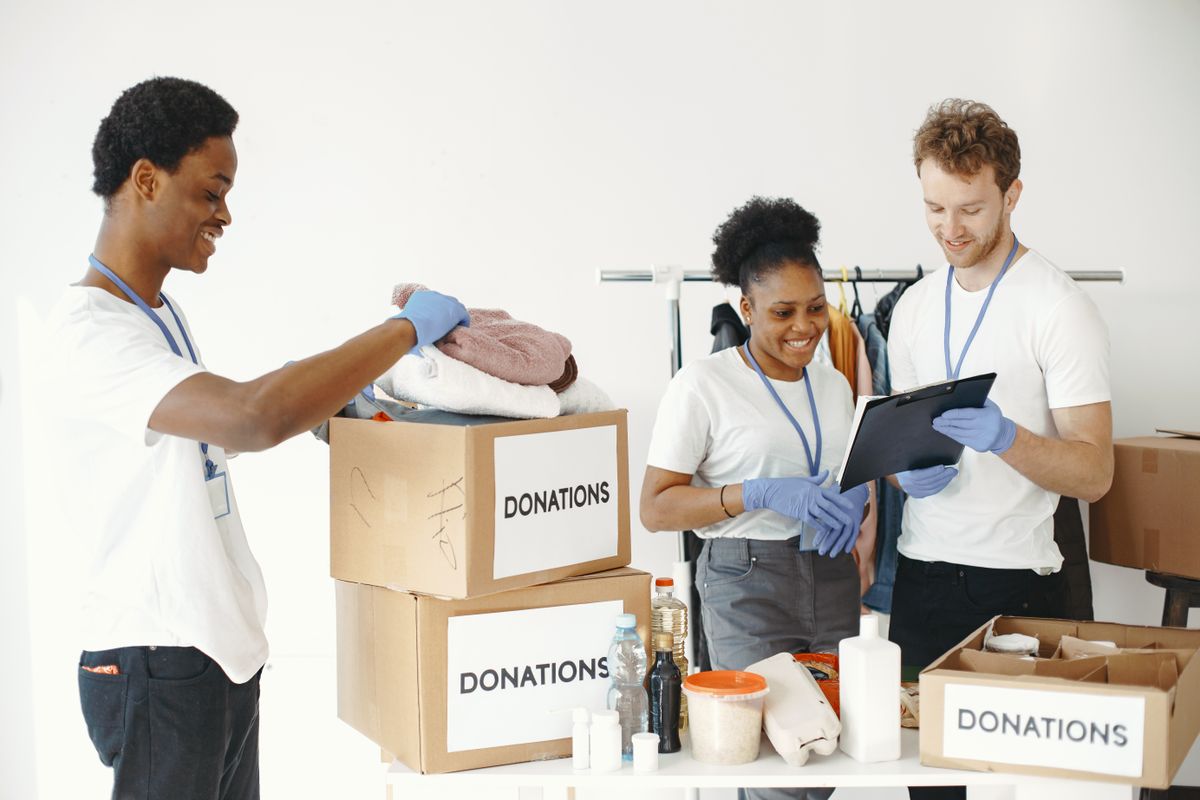
You can donate furniture and household goods to national thrift charities, home improvement resale stores, local furniture banks, and shelters. Many offer free pickup for large items, though availability varies by location. Schedule two to three weeks before your move, make sure items are clean and usable, and keep the receipt.
In this guide
- Where to donate furniture: the main types of organizations
- How to schedule a furniture donation pickup
- What condition donations need to be in
- What charities will not take
- Where to donate household goods, clothing, and everything else
- Do you need a donation receipt for taxes?
- When to donate before a move
- Frequently asked questions
Where to donate furniture: the main types of organizations
Four kinds of organizations take most of what a moving household gives away. What each location accepts varies, so call or check its website before you load the car.
| Type of organization | What they usually take | Pickup |
|---|---|---|
| National thrift store charities, such as The Salvation Army | Clothing, housewares, lamps, bedding, and furniture in good condition | Free pickup in many areas. Availability varies by location |
| Home improvement resale stores, such as Habitat for Humanity ReStores | Furniture, appliances, building materials, and household goods | Many stores offer free pickup of large items |
| Furniture banks | Beds, dressers, tables, sofas, and kitchen basics, given directly to families setting up a home | Varies. Ask when you call |
| Shelters and transitional housing programs | Linens, towels, kitchenware, small appliances, and sometimes furniture | Usually drop-off. Always call first |
Houses of worship, refugee resettlement groups, and community aid organizations often know of a specific family that needs a bed or a table this week. If the national names cannot take something, ask locally.
How to schedule a furniture donation pickup
A furniture donation pickup saves you from renting a truck, but the schedule belongs to the charity, not to you. Plan for that.
- Request the pickup two to three weeks before your move. Trucks fill up, especially at the end of the month and in summer
- Describe each item accurately: what it is, its size, and its condition. Some organizations ask for photos
- Ask where items need to be. Many drivers will only collect from a garage, a porch, or the ground floor, and will not carry furniture down stairs
- Label everything that is going so nothing extra leaves by mistake
- Be home if you can, and ask for a receipt before the truck leaves
- Have a backup. Drivers can decline an item when they see it, so know where it goes next
What condition donations need to be in
Charities often have to pay to dispose of what they cannot use, so a donation in poor shape costs them money. A fair test: would you give it to a friend?
- Clean. Wipe down hard surfaces, vacuum upholstery, and launder linens
- Whole. No broken legs, missing drawers, or cracked glass. Tape hardware and shelf pins in a bag to the piece
- Free of stains, tears, pet damage, and odors, including smoke
- Working. Plug in lamps and appliances to check them, and include cords and remotes
Lightened the load? Get a free, no-obligation quote for moving the furniture you are keeping.
What charities will not take
Policies differ from one organization and one city to the next, but these are the items most often turned away:
- Mattresses and box springs. Accepted in some places and refused in others, depending on local rules and need
- Cribs, car seats, and other baby gear that is older or has been recalled
- Large older televisions and outdated computer equipment
- Built-in appliances and appliances that do not work
- Heavily worn upholstered furniture
- Paint, chemicals, and other hazardous materials
- Very large or specialized items such as pianos and pool tables
For these, look to your city's bulk trash pickup, an electronics recycling event, or a hazardous waste collection site. Several are also on the list of what movers won't move, so they need a plan either way.
Where to donate household goods, clothing, and everything else
Smaller items often do the most good when you match them to the right place.
- Dishes, pots, pans, and small appliances: thrift charities, shelters, and furniture banks
- Sheets, blankets, and towels in good shape: shelters and transitional housing programs
- Worn towels and blankets: animal shelters and rescue groups
- Books: public library sales, schools, and literacy programs
- Unopened, unexpired pantry food: a local food bank or pantry
- Tools, cabinets, light fixtures, and leftover building materials: home improvement resale stores
- Work clothing: job training and career closet programs
- Toys and games that are clean and complete: shelters, childcare centers, and thrift charities
Sort as you go so each carload has one destination. If you would rather sell the better pieces first, see how to run a moving sale.

Do you need a donation receipt for taxes?
Ask for a receipt every time you donate household goods, whether at a drop-off door or from a pickup driver. Most receipts list the date and the organization but leave the description and value for you to fill in, so keep your own records as well:
- A written list of what you gave, with the condition of each item
- Photos of the larger pieces
- The receipt, kept with your other tax papers for the year
Whether a donation can be deducted on your taxes, and for how much, depends on your own tax situation and on IRS rules. The organization generally will not put a dollar value on your items for you. This is general information, not tax advice. A tax professional can tell you what applies to you.
When to donate before a move
- Four to six weeks out: finish sorting. Our guide to decluttering before a move covers how to decide
- Three weeks out: call to schedule pickups for furniture and appliances
- Two weeks out: pickup day. Make car trips for the smaller loads
- Final week: one last drop-off for anything that turned up while packing
Donating early pays off on the moving side too. A long-distance move is quoted as a flat rate based on distance, inventory, and added services, so furniture you give away is furniture you do not pay to ship. On a local move, fewer pieces means less time on the clock.
When the donations are gone, request a free quote for what remains. Allpoints Moving Services is family-owned, licensed and insured, and handles local and long-distance moves. The moving checklist shows where donation runs fit in the full schedule.
Key takeaways
- Thrift charities, home improvement resale stores, furniture banks, and shelters all accept furniture or household goods
- Free pickup is common for large items, but availability and accepted items vary by location
- Schedule pickups two to three weeks before the move
- Donate only clean, complete, working items
- Keep receipts and your own item list, and ask a tax professional about deductions