Quick answer
To move a medical or dental office, start about six months ahead, name one move lead, and schedule the move over a weekend. The practice keeps control of patient records, the manufacturer or a certified technician handles clinical equipment, and commercial movers handle furniture, files, and supplies. Notify patients, payers, and licensing agencies early.
In this guide
- How to move a medical or dental office: the planning timeline
- Who owns each part of the move
- Moving patient records without a privacy problem
- Moving medical equipment, dental chairs, and imaging systems
- Who to notify when a practice changes address
- How to schedule a medical or dental office move around patients
- What to ask medical office movers before you book
- Frequently asked questions
How to move a medical or dental office: the planning timeline
A practice move has the same parts as any office move, plus three that an ordinary office does not have: protected patient information, clinical equipment that cannot simply be unplugged, and a list of agencies and payers that must know where you are. Those three set the schedule.
| When | What to do |
|---|---|
| 6 months or more | Sign the lease, plan the build-out, name a move lead, and ask equipment vendors how much notice they need |
| 3 to 4 months | Order internet and phone service, book commercial movers, start payer and licensing address updates, and plan the records move |
| 6 to 8 weeks | Tell patients, book technicians for the disconnect and reinstall dates, and sort records under your retention policy |
| 2 weeks | Lighten the schedule, pack storage and supply rooms, and confirm every vendor and both buildings |
| Move weekend | Technicians disconnect, movers load and deliver, IT and technicians reinstall, and the team tests everything |
| First week | Run a reduced schedule, confirm that claims and mail are flowing, and post signs at the old address |
Treat this as a medical office relocation checklist in outline. A solo practice can shorten it. A multi-provider clinic with imaging or a lab should start earlier.
Who owns each part of the move
| Task | Who usually owns it |
|---|---|
| Master schedule, movers, and both buildings | Practice administrator or office manager |
| Patient records and privacy safeguards | Privacy officer or compliance lead |
| Clinical equipment and technicians | Lead clinician or clinical manager, with the equipment vendors |
| Computers, phones, and the records system | IT provider |
| Payers, credentialing, and licensing updates | Billing manager or credentialing staff |
| Patient notices and scheduling | Front desk lead |
One person, usually the practice administrator, should hold the master schedule and have the authority to make decisions. Our office move checklist covers the general office tasks in more detail.
Moving patient records without a privacy problem
Under HIPAA, the practice is responsible for safeguarding protected health information in every form, and that responsibility does not pause for a move. According to the U.S. Department of Health and Human Services (HHS), covered entities must apply appropriate administrative, technical, and physical safeguards to protect patient information, including when it is being disposed of.
In practical terms, moving patient records usually looks like this:
- Paper charts go into sealed, numbered containers. Label them with a number and a destination room, never with patient names
- Keep a log of every container, and check each one off when it leaves and again when it arrives
- A staff member stays with the records at loading and unloading, and the containers go straight into a locked room
- Servers, workstations, and backup drives are shut down and moved under your IT provider's direction, after a tested backup. See moving IT equipment and servers
- Records and old devices you are not keeping are destroyed, not thrown away. HHS guidance says patient information may not simply be abandoned or left in dumpsters the public can reach, and it lists shredding as one acceptable method for paper
- Check your state's record retention rules before destroying anything
HHS also explains that a vendor that handles protected health information on a practice's behalf can be a business associate, which calls for a written agreement. Ask your privacy officer or a healthcare attorney which of your move vendors that applies to. This article is general information, not legal advice.
Moving a practice? Get a free commercial quote based on a walkthrough, with evening and weekend scheduling available so patients are not turned away.
Moving medical equipment, dental chairs, and imaging systems
Most clinical equipment is not a job for a moving crew alone, and often not for your own staff either. Manufacturers commonly require their own technician, or a certified one, to disconnect, prepare, reinstall, and recalibrate the equipment, and a warranty or service contract may depend on it. Call each vendor early. Their calendar often sets your move date.
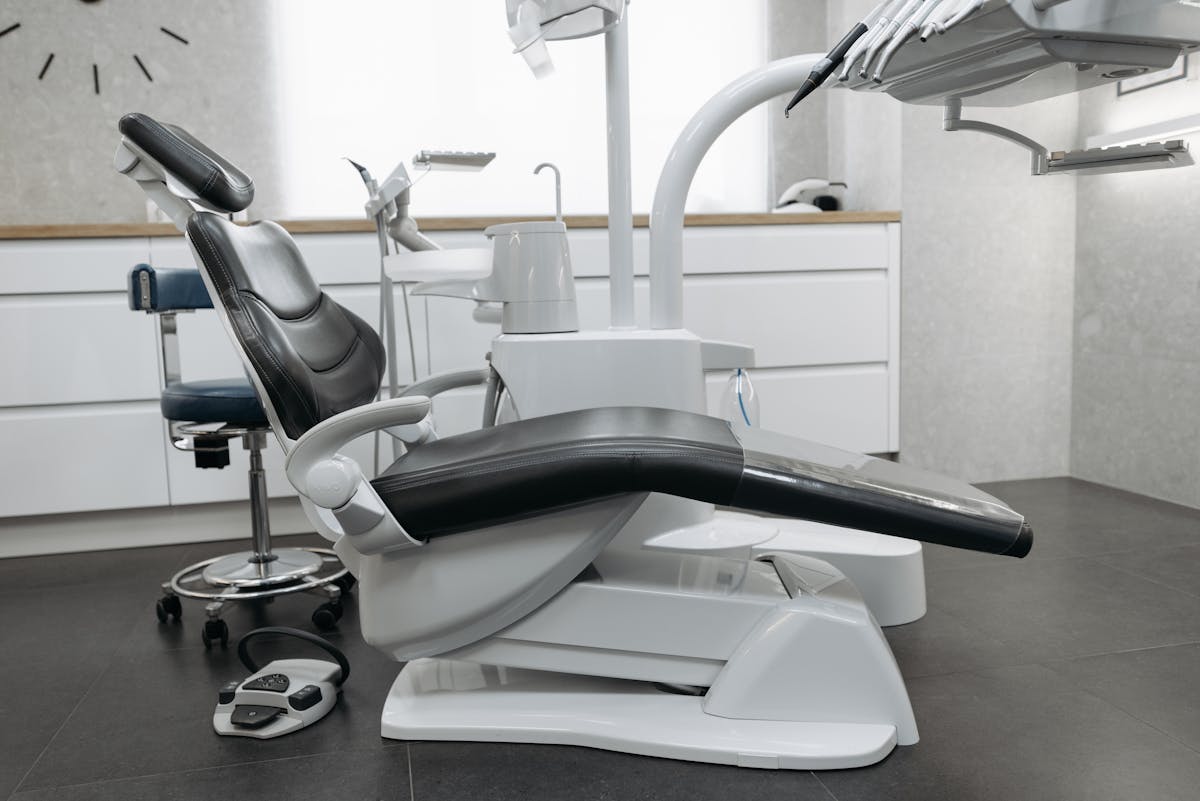
- Dental chairs and delivery units. These are tied into water, air, vacuum, and electrical lines. A dental equipment technician disconnects and caps the lines, then reconnects and tests at the new office
- X-ray and other imaging. Removal, reinstallation, and testing belong to the manufacturer or a qualified service company. Ask your state radiation control program what it requires when an X-ray unit changes address
- Sterilizers. Drain and prepare them the way the manufacturer directs, and test each one after it is reinstalled and before it goes back into use
- Lab and diagnostic devices. Many need calibration or quality checks after any move. Follow the manufacturer's instructions
- Vaccines and refrigerated medications. Staff should carry these in a monitored cooler, following the storage instructions for each product. Do not send them on the truck
- Controlled substances. Ask the DEA and your state board what must be updated before any stock is moved
- Medical gases, sharps, and regulated waste. Compressed gas cylinders and regulated medical waste do not belong on a moving truck. Have your gas supplier and your waste hauler handle them
What a moving crew does handle: exam tables and stools, waiting room and office furniture, filing cabinets, boxed supplies, and the business office.
Who to notify when a practice changes address
- Patients. Signs at the front desk, a line on appointment reminders and statements, a message on the phone system, a notice on your website, and a letter or card to active patients. Include the date, the new address, parking, and whether the phone number is changing
- Insurance plans and government payers. Each has its own process and deadline for a change of practice location. Claims can be delayed if the address on file is wrong
- Licensing and registration. State licensing boards, your National Provider Identifier record, the DEA, state radiation control, and laboratory certification if you run tests in the office
- Business contacts. Labs, suppliers, your waste hauler, referral sources, hospitals where you hold privileges, your malpractice carrier, the post office, and your bank
Deadlines differ by agency and by state. Your billing manager, credentialing service, or healthcare attorney can confirm what applies to your practice. For wording and timing, see how to announce a business move.
How to schedule a medical or dental office move around patients
- Move over a weekend. See the last patient at midday on Thursday or Friday, let technicians disconnect that afternoon, load that evening, and use the weekend to reinstall and test. Commercial moves are commonly scheduled on nights and weekends for this reason
- Block the schedule early. Close the move days in your scheduling system months ahead, and keep the first few days at the new office light
- Plan for urgent calls. Forward the phones, keep them answered, and arrange coverage with a colleague for emergencies during the changeover
- Bring up the essentials first. Phones, internet, the records system, sterilization, and one or two fully working treatment rooms come before everything else
- Test before the first patient. Check every chair, light, handpiece, imaging unit, and computer while the technicians are still on site
Our post on weekend and after-hours office moves explains how these schedules work.
What to ask medical office movers before you book
- Will you walk through our office before quoting?
- Can you work an evening and weekend schedule around our equipment technicians?
- How do you handle sealed record containers, and can our staff stay with them?
- What will you not move, so we can arrange the right vendor?
- Can you provide the certificate of insurance both buildings require?
- How do you protect floors, walls, and elevators in a medical building?
- What valuation coverage is included, and what are the options?
Allpoints Moving Services is a family-owned, licensed and insured mover based in Metro Atlanta, in business since 1999. Our commercial and office moving crews handle packing, furniture disassembly and assembly, loading, and unloading, and we regularly work nights and weekends. A dental office move or a clinic move goes best when the movers, the technicians, and your IT provider all work from one schedule, so tell us who else is involved when you call.
Quotes are free and based on a walkthrough of your space. Request a quote or call (678) 886-0944.
Key takeaways
- Start about six months out and let equipment vendors help set the date
- The practice stays responsible for patient records: seal, number, log, and supervise them
- Manufacturers or certified technicians disconnect, reinstall, and test clinical equipment
- Tell patients, payers, and licensing agencies early, because each has its own deadline
- Move over a weekend and test every room before the first appointment