
Quick answer
To pack a garage for moving, start two to three weeks ahead. Sort and get rid of what you will not use, dispose of fuel, paint, and chemicals that movers cannot take, drain gas equipment, then pack tools in small sturdy boxes with blades wrapped. Bundle long handles and take shelving apart last.
In this guide
- How to pack a garage for moving: where to start
- Supplies for packing a garage
- What movers won't take from a garage
- Drain fuel from a lawn mower and other gas equipment
- How to pack tools for moving
- Shelving, workbenches, bikes, and outdoor gear
- Common mistakes when packing a garage
- When to bring in movers for the garage
- Frequently asked questions
How to pack a garage for moving: where to start
A bedroom is mostly soft things that fit in boxes. A garage is the opposite: heavy, sharp, dirty, and oddly shaped, with years of things set down and never sorted. Nearly everything needs a decision before it needs a box.
Give it more time than any other room. Start two to three weeks before the move and work in this order:
- Sort. Make four piles: keep, donate or sell, trash, and hazardous
- Deal with the hazardous pile while disposal sites are still easy to get to
- Drain anything with a gas tank
- Pack small items and tools
- Break down shelving and the workbench last
Be honest in the sorting. Dried-up paint, a mower that has not run in years, and scrap lumber are not worth carrying to a truck. Our guide to decluttering before a move can help with the rest of the house too.
Supplies for packing a garage
- Small, heavy-duty boxes. Tools are dense, so small boxes keep the weight manageable
- A few medium boxes for bulky, lighter things such as sports gear and car care supplies
- Packing tape, stretch wrap, and zip ties
- Old towels, rags, or bubble wrap for blades and sharp edges
- Zip-top bags for screws, bolts, and shelf hardware
- Moving blankets for large equipment
- A thick marker and work gloves
Sturdy plastic totes with lids that latch are fine for garage items. For a box count for the rest of the house, use the packing estimator.
What movers won't take from a garage
This is the step that catches people on moving day. Anything flammable, corrosive, or explosive cannot go on a moving truck, and the garage is where most of it lives:
- Gasoline, diesel, kerosene, and lighter fluid
- Propane tanks
- Paint, stain, paint thinner, and solvents
- Motor oil, antifreeze, and car batteries
- Fertilizer, pesticides, and weed killer
- Pool chemicals, bleach, and ammonia
- Aerosol cans, charcoal, fireworks, and ammunition
Use up what you can, offer sealed and usable products to a neighbor, and take the rest to your city or county household hazardous waste site. Many auto parts stores accept used oil and old car batteries. Never pour any of it down a drain or put it in the regular trash.
The full list, with what to do about each item, is in our post on what movers won't move. Ask your mover how to handle the rechargeable batteries for cordless tools as well.
Drain fuel from a lawn mower and other gas equipment
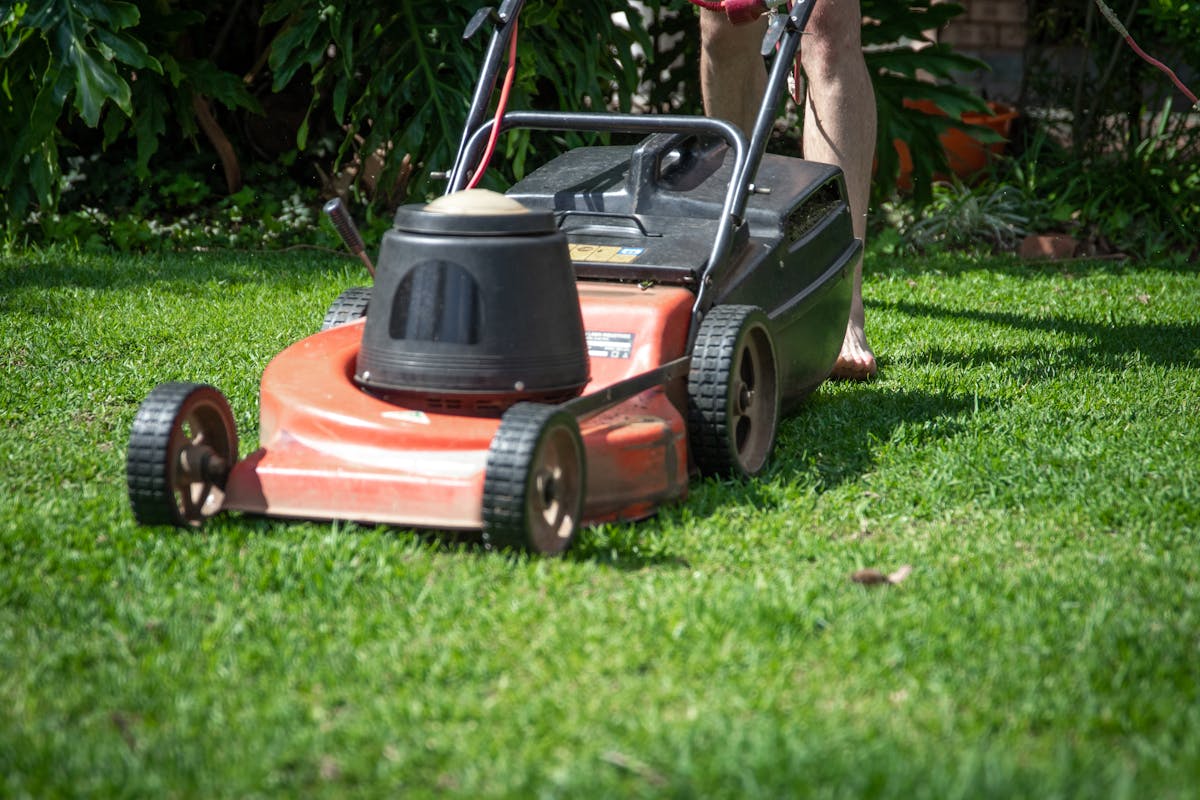
Lawn mowers, trimmers, blowers, chainsaws, pressure washers, generators, and anything else with a gas tank must be empty before it is loaded. Do this a few days ahead, outdoors, with the engine cool.
- Empty the tank. Siphon the gas into an approved fuel container, or run the engine until it stops on its own
- Drain the oil into a pan and take it to a recycling drop-off
- Let it air out with the caps off for a day so the fumes clear, then put the caps back on
- Clean off caked grass, mud, and grease so it does not end up on your furniture
- Deal with the leftover gas. Pour it into your car's tank if it is fresh and unmixed, give it to a neighbor, or take it to a hazardous waste site
For a gas grill, disconnect and remove the propane tank, then clean the grates and empty the grease tray. The grill can travel. The tank cannot.
The garage does not have to be your problem. Get a free quote for packing and moving it along with the rest of the house.
How to pack tools for moving
Hand tools: A toolbox can travel full if it latches securely. Loose hand tools go in small boxes, heaviest on the bottom, with paper or rags filling the gaps. Wrap chisels, saws, utility knives, and anything else with an edge in a towel or cardboard, tape it shut, and write SHARP on the box.
Moving power tools: Use the original cases if you have them. If not, remove blades, bits, and batteries, coil and tie the cord, and wrap each tool before boxing it. Keep chargers and batteries together in one labeled box.
Packing garden tools: Bundle rakes, shovels, and brooms with tape or stretch wrap at two points along the handles, and wrap the metal ends in an old towel. A clean trash can also makes a good carrier for long handles. Drain the garden hose, coil it, and screw the two ends together.
Hardware: Tape parts organizers shut or wrap them in stretch wrap so the drawers stay closed. Move loose screws and nails from open jars into zip-top bags.
Tool chests: Empty the heaviest drawers into boxes, then lock the drawers or wrap the whole chest so nothing slides open on the ramp.
Shelving, workbenches, bikes, and outdoor gear
- Shelving units: Empty them, take freestanding units apart, and tape the bagged hardware to one of the uprights
- Workbenches: Clear the top and the drawers. Remove a bench vise and box it on its own
- Bikes: Take off loose accessories such as lights, bags, and bottles. Most bikes can be rolled onto the truck as they are
- Ladders: Fold and tie them closed
- Sports and camping gear: Box what fits and bundle what does not. Make sure coolers and tents are clean and dry
- Patio furniture: Wipe it down and bag the cushions
Anything that has lived outdoors should be brushed off and checked for dirt, moisture, and insects before it shares a truck with your sofa.
Common mistakes when packing a garage
- Leaving the garage for the last night
- Packing heavy tools in large boxes that nobody can lift
- Boxing up paint, fuel, or chemicals and hoping no one notices
- Forgetting to drain the mower until the truck is in the driveway
- Tossing unwrapped blades into a box
- Leaving the propane tank on the grill
- Losing the shelf hardware
- Moving things you meant to throw away
When to bring in movers for the garage
Once the hazardous items are gone and the gas equipment is drained, the rest is ordinary moving work, just heavier. That is where a crew earns its keep. Rolling tool chests, loaded shelving, workbenches, and riding mowers are hard on backs and on rental truck ramps.
Allpoints can pack the garage with the rest of the home through our packing services, take apart shelving and benches, and load everything on a local move or a long-distance one. When you request a quote, mention the big items, such as a large tool chest, a riding mower, or heavy equipment, so the crew and truck are sized for them.
Key takeaways
- Start the garage two to three weeks out, not the night before
- Fuel, propane, paint, and chemicals cannot go on the truck, so dispose of them early
- Drain gas and oil from mowers and other equipment a few days ahead
- Pack tools in small sturdy boxes and wrap every blade
- Tell your mover about tool chests, riding mowers, and other heavy items