
Quick answer
Moving in the rain is manageable with preparation. Tape every box seam, use plastic bins and bags for anything that cannot get wet, wrap furniture in blankets and stretch wrap, park the truck as close to the door as possible, cover the floors at both homes, and dry and unwrap everything as soon as it is inside.
In this guide
- Moving in the rain is normal in the Pacific Northwest
- Do movers work in the rain?
- How to protect boxes from rain
- Wrap furniture, mattresses, and electronics
- Protect floors on moving day
- Shorten and cover the path to the truck
- Unloading and drying out at the new home
- Rainy day moving tips: the short checklist
- Frequently asked questions
Moving in the rain is normal in the Pacific Northwest
From Seattle, Tacoma, and Bellevue down to Portland and Vancouver, rainy days are a regular part of life. If you are moving in the rainy months, waiting for a dry day is not a plan. People who live there move in the rain all the time, and so do the crews who work there.
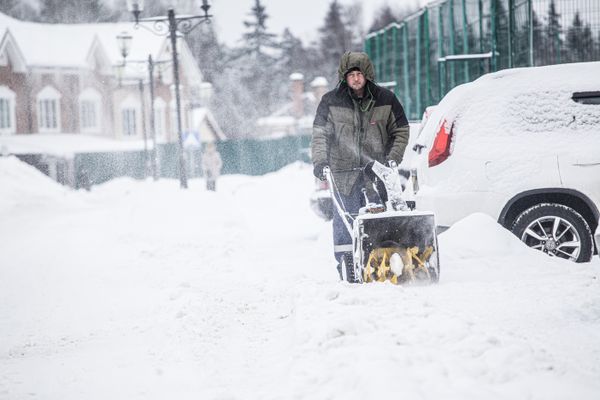
The good news is that light, steady rain is easy to work in if you are ready for it. The days that cause real trouble are the ones with high wind, standing water, or the occasional snow and ice. For those, see our guide to moving in winter.
Everything below applies anywhere it rains. Moving in Seattle rain just means you should assume you will need it.
Do movers work in the rain?
Yes. If you are wondering, do movers work in the rain, the answer is that ordinary rain does not stop a move. Furniture is wrapped before it leaves the house, the truck is enclosed, and crews work a little slower to keep their footing.
A move may be delayed when conditions are unsafe: a wind storm, flooded streets, or ice on the steps and the ramp. If the forecast looks severe, call your mover a day or two ahead and talk through the options. On an hourly local move, expect a wet day to take somewhat longer than a dry one, because careful wrapping and careful walking both take time.
How to protect boxes from rain
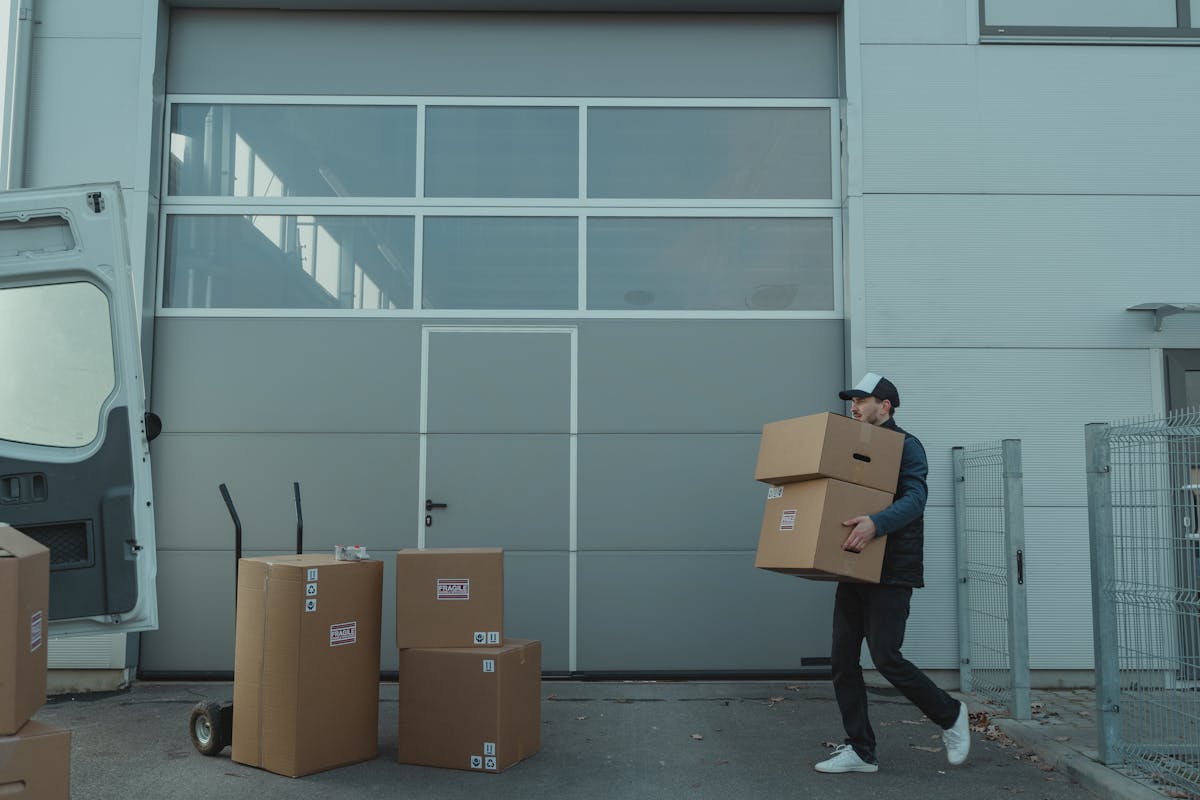
Cardboard is the weak point. A box that gets soaked loses its strength, and the bottom can give out. Here is how to protect boxes from rain before moving day arrives.
- Use sturdy boxes in good condition. Old, soft, or previously damp boxes fail first
- Tape every seam, top and bottom, including the short edges where water runs in
- Line boxes of clothing, bedding, and towels with a large trash bag, fill it, and tie it shut before closing the box
- Put books, papers, photos, and electronics in plastic bins with lids, or bag them inside the box
- Label with a permanent marker on the sides. Some inks run when wet, and tops get covered by other boxes
- Never set a box on wet ground. Hand it straight from the door to the truck or onto a dry tarp
- Stage boxes inside near the door or in the garage, not on the porch
Our packing estimator shows how many boxes to plan for, and our guide to labeling moving boxes covers a system that still works when the tops are wet.
Wrap furniture, mattresses, and electronics
| Item | How to keep it dry |
|---|---|
| Wood furniture | Moving blanket first, then stretch wrap over the blanket so the padding stays dry. Wipe off any water as soon as it is inside |
| Sofas and upholstered chairs | Stretch wrap or a plastic furniture cover over the whole piece |
| Mattresses and box springs | A sealed mattress bag for each one. A wet mattress is very hard to dry |
| TVs, computers, and speakers | Boxed, with plastic around the box or the device, and carried in your car when possible |
| Artwork, mirrors, and lamps | Wrapped, boxed, and bagged. Lampshades travel in their own bag |
| Rugs | Rolled and wrapped in plastic with the ends taped shut |
Plastic is for the trip, not for storage. Take the wrap off once each piece is in its room so trapped moisture can dry instead of sitting against wood or fabric. If you would like a crew to handle the wrapping, our packing services include the materials.
Moving to or from Seattle, Portland, or anywhere it rains? Tell us your dates and addresses, and we will send a free, no-obligation quote.
Protect floors on moving day
Dozens of trips in wet shoes will track water and grit across every room. Protect floors on moving day at both homes, before the first load.
- Lay floor runners, flattened cardboard, or old rugs along the main routes and on the stairs, and tape the edges so nobody trips
- Put a heavy mat outside the door and another just inside
- Skip loose plastic sheeting on hard floors and steps. It turns slick when wet
- Keep a stack of old towels at the door to dry the entry, the hand truck wheels, and anything that got rained on
- Ask the crew about a relay: some people stay inside and carry to the door, the others carry from the door to the truck, so wet shoes stay outside
Shorten and cover the path to the truck
The less time each item spends outside, the less protection it needs.
- Park as close as you can. Clear the driveway, or reserve curb space in front of the door. In Seattle, the transportation department handles temporary no-parking zone reservations, and other cities have their own rules for reserving curb space. Ask your city well ahead of the date
- Use the garage or a covered entry as the loading point if you have one
- Set up a pop-up canopy between the door and the truck ramp if the wind allows
- Clear the walkway. Sweep wet leaves and scrub moss off steps and paths a few days before. Both are slippery under a heavy load
- Check the lighting. Winter afternoons are dark early, and the path should be lit at both homes
- Dress for it. A rain jacket with a hood, shoes with real tread, and a dry change of socks and gloves
Unloading and drying out at the new home
Before anything comes off the truck, lay the floor protection and set out towels at the new place. Then:
- Have furniture carried to its room, unwrapped, and wiped dry
- Stack boxes away from walls and off carpet if any of them are damp
- Open damp boxes first and let the contents air out
- Turn on the heat and run fans, or a dehumidifier if you have one, for the first day or two
- Let electronics that got cold or damp sit at room temperature until they are fully dry before you plug them in
- Break down wet cardboard and get it out of the house
A house holds moisture through a long wet season, so drying things out on day one is the best way to keep a musty smell from settling in.
Rainy day moving tips: the short checklist
These rainy day moving tips fit on one page. Run through them the night before.
- Check the forecast for both addresses and call your mover if wind or flooding is expected
- Tape seams, bag soft goods, and move anything fragile to plastic bins
- Stage boxes inside near the door
- Clear leaves and moss from the walkway and confirm the truck's parking spot
- Set out floor runners, mats, and towels at both homes
- Keep documents, electronics, and valuables in your own car
- Unwrap, wipe down, and air out as soon as you arrive
Allpoints Moving Services is based in Metro Atlanta and moves customers nationwide, so a long-distance move to or from the Northwest is a flat-rate quote based on distance, inventory, and added services. Request a free quote, and use our moving checklist for the weeks before the move.
Key takeaways
- In the Pacific Northwest wet season, plan for rain instead of waiting for a dry day
- Tape every seam and use plastic bins or bags for anything that cannot get wet
- Blanket first, stretch wrap over it, and a sealed bag for every mattress
- Cover floors at both homes and park the truck as close as possible
- Unwrap, wipe down, and air everything out on the first day