Quick answer
Moving to Colorado means thin, dry air, strong sun, and fast-changing weather. Most newcomers settle along the Front Range from Fort Collins through Denver to Colorado Springs. Late spring through early fall is the easiest time to move. Plan for altitude on moving day, a flat state income tax, and snow that can arrive in any cool month.
In this guide
- Colorado weather and the best time to move to Colorado
- Where people moving to Colorado settle
- Moving to high altitude: what changes
- Colorado cost of living and tax basics
- Colorado driver license and registration for new residents
- What moving day in Colorado is really like
- How a long-distance move to Colorado works
- Frequently asked questions
Colorado weather and the best time to move to Colorado
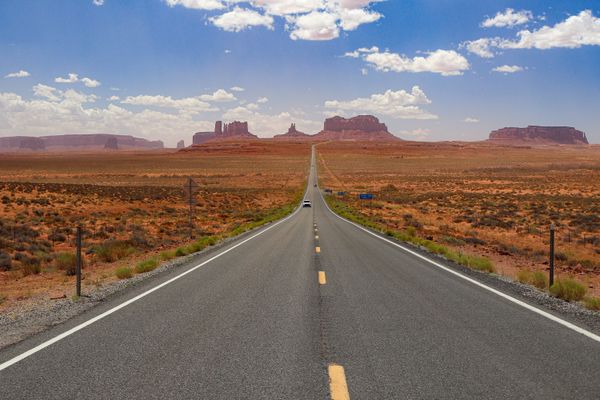
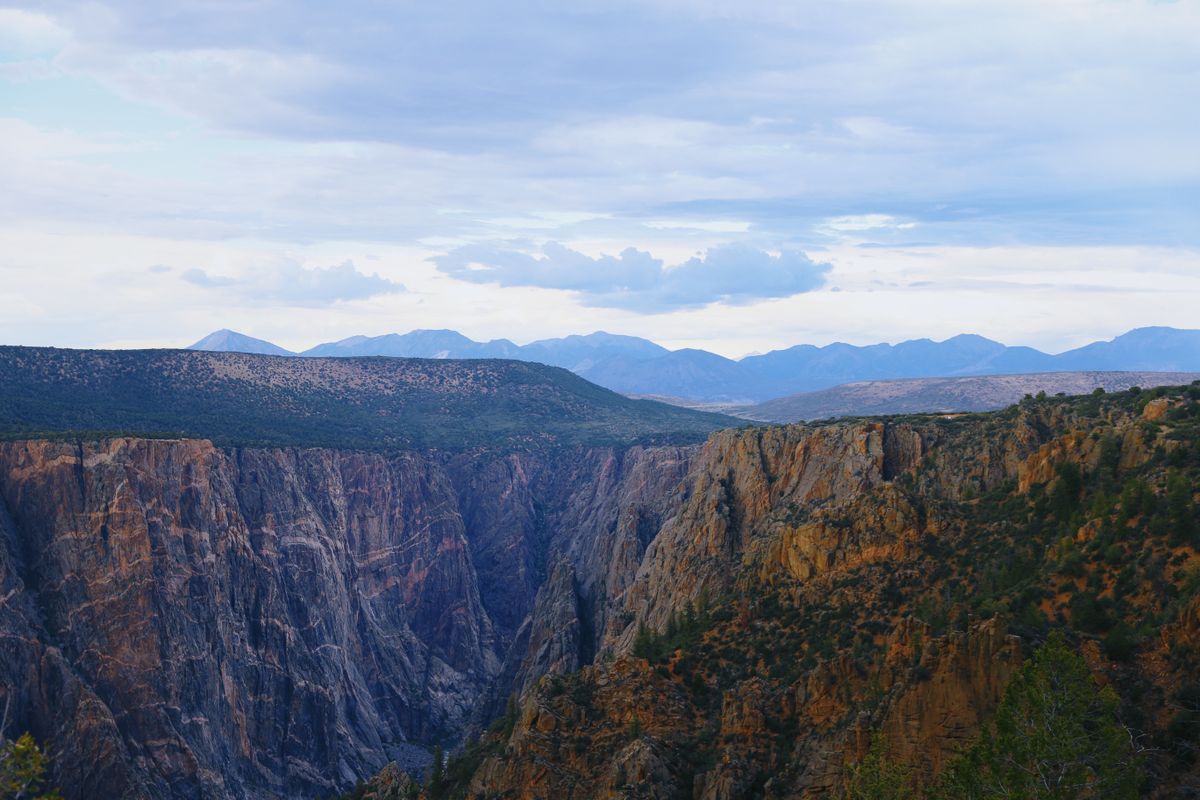
Colorado has about 5.9 million residents, according to U.S. Census Bureau estimates, and the reason many of them came is visible from almost any window: mountains, blue sky, and room to be outside.
The climate is dry. According to NOAA's state climate summary, Colorado averages about 18 inches of precipitation a year statewide and has been almost constantly in drought since 2001. Expect low humidity, strong sun, and wide swings between day and night temperatures. Winters bring cold snaps, but mild days are common too.
Snow is the wild card. The mountains get heavy snow all winter. In Denver, March is typically the snowiest month, and storms can arrive in fall and spring. Northeastern Colorado also lies in Hail Alley, which NOAA calls the most hail-prone area in the country.
- May through early October. The best time to move to Colorado. Dry roads and long days
- Summer. Peak season. Expect afternoon thunderstorms and book early
- Late fall through April. Very doable in the cities, but build in a weather day. Mountain moves depend on pass conditions
For a cold-season move, read moving in the middle of winter.
Where people moving to Colorado settle
Most Coloradans live in the Front Range Urban Corridor, the strip of cities along the eastern edge of the Rockies. The rest of the state is far emptier.
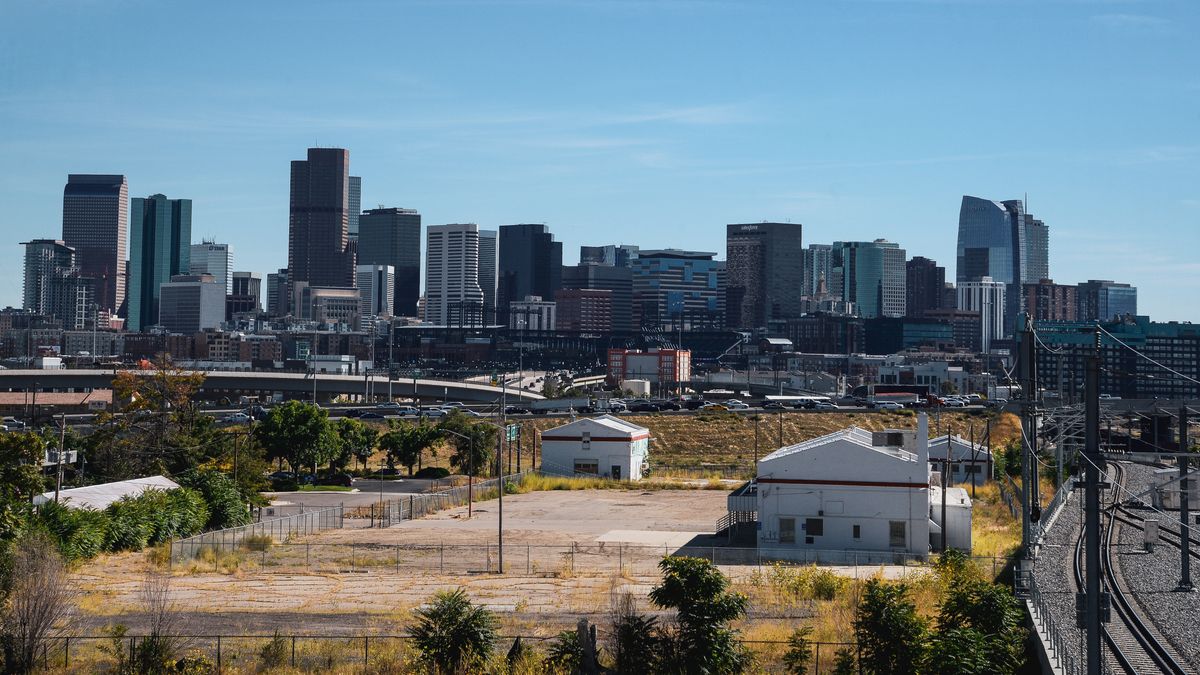
- Denver metro. The capital and largest city, plus Aurora, Lakewood, Arvada, Littleton, and many more suburbs. We cover it in detail in moving to Denver
- Colorado Springs. South of Denver, with Pikes Peak in view
- Boulder and Fort Collins. University cities northwest and north of Denver, close to the foothills
- Pueblo and the southern Front Range. Smaller, with lower housing costs
- Mountain towns. Ski and resort communities along and beyond the I-70 corridor. Higher elevation, higher prices, and harder truck access
- The Western Slope. Grand Junction and the towns west of the Continental Divide, in canyon and orchard country
- The Eastern Plains. Farm and ranch towns on the high plains
Moving to high altitude: what changes
Denver sits at 5,280 feet, exactly one mile above sea level. Many mountain towns are thousands of feet higher. If you are moving to high altitude from the coast or the South, your body will notice.
- You tire faster. There is less oxygen in each breath, so carrying boxes up stairs feels harder for the first days or weeks
- You dry out. Low humidity and heavier breathing mean you need more water than usual
- The sun is stronger. Wear sunscreen and a hat on move day, even when it is cool
- Furniture and instruments react. Wood that has lived in a humid climate can shrink or crack as it dries. A room humidifier helps pianos, guitars, and antiques adjust
- Pets need time too. Give them water and rest
This is general guidance, not medical advice. If you have a heart or lung condition, talk with your doctor before the move.
Moving to Colorado from another state? Get a free flat-rate quote from a family-owned mover that has been doing this since 1999.
Colorado cost of living and tax basics
Colorado cost of living is driven by housing, which runs high in Denver, Boulder, and the resort towns and lower in Pueblo, Grand Junction, and the plains.
- Income tax. A single flat rate of a little over 4 percent. It was 4.4 percent for the 2023 tax year
- Sales tax. The state rate is 2.9 percent, the lowest non-zero state rate in the country according to the Tax Foundation. Local sales taxes are added on top, and combined rates vary widely. Denver, for example, adds its own city sales tax
- Property tax. Depends on the county and local districts. Look at the actual bill for a specific home
- Vehicles. Registration fees and taxes vary by vehicle. Ask your county motor vehicle office for an estimate
This is general information, not tax advice. Confirm current rates with the Colorado Department of Revenue and talk with a CPA about your situation.
Colorado driver license and registration for new residents
According to the Colorado Division of Motor Vehicles, new residents should transfer their driver license within 30 days and register vehicles within 90 days. Licenses come from state driver license offices, and title and registration are handled by the motor vehicle office in your county.
- Driver license. Book an appointment at a state driver license office, which the DMV requires. Bring proof of identity, your Social Security number, proof of Colorado address, and your current license
- Emissions test. Parts of the Denver metro area require proof of a passing test before registration. Check whether your county and vehicle are covered
- Registration and title. Bring your out-of-state title or lienholder information, proof of Colorado insurance, and identification to the county office. You must title the vehicle in Colorado before registering it, and out-of-state vehicles need a VIN verification
Deadlines, fees, and document rules change. For any Colorado driver license new resident question, check the Colorado DMV website before you go.
What moving day in Colorado is really like
- Altitude. Pace yourself, or let the crew do the lifting. See the section above
- Fast weather. A sunny morning can turn into hail or snow by afternoon. Keep moving blankets, plastic wrap, and floor protection handy in every season
- Mountain access. Steep, winding roads and tight driveways often keep a tractor-trailer out. A smaller shuttle truck handles the last miles. In winter, passes and the I-70 mountain corridor can close or require traction equipment
- Snow and ice at the door. Shovel and de-ice the path before the crew arrives
- Dry air. Static and dust are part of life. Wrap electronics and keep liquids sealed
- HOAs and condos. Many Front Range communities limit truck parking and move hours. Downtown buildings require elevator reservations and a certificate of insurance
- Wildfire season. In dry summers, smoke or closures can affect mountain routes
How a long-distance move to Colorado works
Our long-distance moving service is quoted as a flat rate based on distance, your inventory, and any added services. Allpoints is family-owned, based in Metro Atlanta, and works as a contract carrier for one of the biggest van line moving companies in the country. That is what makes it possible and affordable to move clients to Colorado from all over the United States.
- Inventory and quote. We go through what you are moving and give you a free, no-obligation flat rate
- Booking. Reserve 3 to 4 weeks ahead, and earlier for summer or end-of-month dates
- Packing. Pack yourself or add our packing service, with boxes, paper, bubble wrap, and tape included in the quote
- Access check. Tell us the elevation, the road, and the driveway at the new address
- Delivery. You receive a delivery window. Carry documents, medications, and several days of essentials with you
When you compare long-distance movers to Colorado, ask whether the quote is a flat rate and how a shuttle truck is handled. Then request a free quote or call (678) 886-0944.
Key takeaways
- Late spring through early fall is the easiest window. Snow is possible in any cool month, and March is often the snowiest
- Most Coloradans live on the Front Range. The mountains and the Western Slope are a different kind of move
- Altitude and dry air affect people, pets, and furniture, so pace the work and drink water
- Colorado has a flat income tax and a low state sales tax, with local taxes on top
- Transfer your license within 30 days and register vehicles within 90 days, after any required emissions test