
Quick answer
Moving to Denver means living exactly one mile above sea level in a dry, sunny climate with big temperature swings and snow that can fall from fall through spring. Give yourself a few days to adjust to the altitude, aim for a late spring through early fall move, and match your neighborhood choice to parking and truck access.
In this guide
- Denver altitude adjustment: what to expect in the first week
- Denver weather by season
- The best time of year for moving to Denver
- Denver neighborhoods for newcomers, from a mover's view
- What moving day in Denver is really like
- Taxes, license, and registration basics
- How a long-distance move to Denver works
- Frequently asked questions
Denver altitude adjustment: what to expect in the first week
Denver's official elevation is exactly one mile, 5,280 feet. If you are arriving from near sea level, plan for a Denver altitude adjustment period before you plan anything strenuous.
- You will get winded. Stairs and heavy boxes feel harder than they did at home
- You will be thirsty. The air is thin and dry. Keep water within reach all day
- The sun burns faster. Sunscreen and sunglasses are year-round items
- Kitchen habits change. Water boils at a lower temperature, so baking and cooking times shift
The practical takeaway for moving day: do not schedule yourself to carry a houseful of furniture the day you arrive. This is general guidance, not medical advice. If you have a heart or lung condition, talk with your doctor before the move.
Denver weather by season
Denver has a semi-arid climate with four distinct seasons, low humidity, and plenty of sun. Because of the elevation and dry air, temperatures swing widely between day and night.
- Spring. The most changeable season. March is the snowiest month on average, at about 11 inches according to an MSU Denver meteorology professor, and a warm day can follow a snowstorm
- Summer. Hot, dry days and cooler nights. Afternoon thunderstorms are common, and northeastern Colorado sits in what NOAA calls Hail Alley, the most hail-prone area in the country
- Fall. Usually dry, mild, and the easiest weather of the year, though an early snow is possible
- Winter. Cold snaps and snow, but 60-degree afternoons are fairly common too, according to the same MSU Denver professor
Snow totals vary a lot from year to year, and storms are spread over many months. For a cold-season move, see moving in the middle of winter.
The best time of year for moving to Denver
The best time to move to Denver is May through early October. Within that window:
- May and June. Mild, with a chance of late storms. Good availability before the summer peak
- July and August. The busiest weeks. Start at dawn to beat the heat and the afternoon storms
- September and early October. Often the sweet spot: dry, cool, and less crowded
Winter moves happen every day here. They just need a backup date, a shoveled walk, and floor protection.
Moving to Denver from another state? Get a free flat-rate quote from a family-owned mover that has been doing this since 1999.
Denver neighborhoods for newcomers, from a mover's view
Denver has nearly 80 official neighborhoods, which is a lot for newcomers to sort through. We will not tell you which one is best, but we can tell you how each type moves.
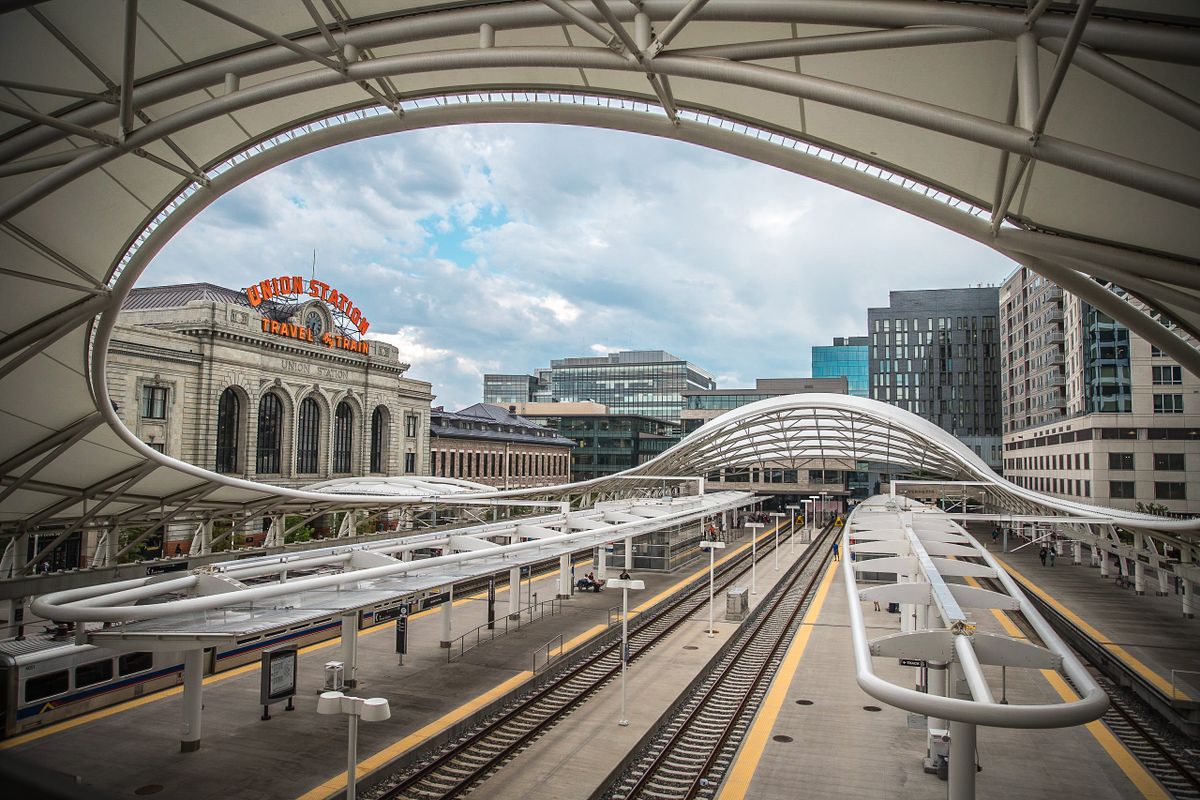
- Downtown and LoDo. Lofts and towers around Union Station. Expect loading docks, reserved freight elevators, and strict move windows
- Capitol Hill and Uptown. Older apartment buildings and mansions cut into flats. Walk-ups, narrow stairwells, and scarce street parking
- Five Points and RiNo. Historic blocks next to new apartments and converted warehouses
- Highland and the northwest side. Hills, tight streets, and a mix of bungalows and modern townhomes with many stairs
- Washington Park and Cherry Creek. Bungalows on narrow lots with alley garages, plus condo towers in Cherry Creek
- Central Park. A newer neighborhood on the northeast side, generally with easier truck access
- The suburbs. Aurora, Lakewood, Arvada, Littleton, Westminster, and Highlands Ranch offer more space, easier truck access, and frequent HOA rules
The metro area is large and spread out, so commute direction matters as much as the neighborhood itself. For the statewide picture, read moving to Colorado.
What moving day in Denver is really like
- Curb space. In the central neighborhoods, a truck needs a legal place to park. Ask the city about a temporary permit to reserve the curb, and ask neighbors to leave room
- Alleys. Many Denver homes load best from the alley. Check for low wires, tight turns, and snow or ice
- Buildings. Towers and newer apartment complexes usually require an elevator reservation and a certificate of insurance from your mover. See our tips on high-rise and elevator building moves
- Weather swings. Have plastic wrap and floor runners ready even on a clear morning. Hail and sudden downpours happen
- Dry air. Wood furniture, pianos, and guitars coming from humid climates need time, and often a humidifier, to adjust
- Altitude. Crews who work here are used to it. You may not be yet
Taxes, license, and registration basics
Colorado taxes income at a single flat rate of a little over 4 percent, set at 4.25 percent for the 2024 tax year. The state sales tax is 2.9 percent, but Denver adds its own 4.81 percent city sales tax plus regional district taxes, for a combined rate of 8.81 percent, as reported by Axios Denver.
The Colorado Division of Motor Vehicles says new residents should transfer their driver license within 30 days and register vehicles within 90 days. Licenses require an appointment at a state driver license office, and title and registration are handled by your county's motor vehicle office. Parts of the metro area require an emissions test before registration, and out-of-state vehicles need a VIN verification. Rules and deadlines change, so confirm the current requirements with the Colorado DMV, and talk with a CPA about tax questions.
How a long-distance move to Denver works
Our long-distance moving service is quoted as a flat rate based on distance, your inventory, and any added services. Allpoints is family-owned, based in Metro Atlanta, and works as a contract carrier for one of the biggest van line moving companies in the country. That is what makes it possible and affordable to move clients to Denver from all over the United States.
- Inventory and quote. We go through what you are moving and give you a free, no-obligation flat rate
- Booking. Reserve 3 to 4 weeks ahead, and earlier for summer or end-of-month dates
- Packing. Pack yourself or add our packing service, with boxes, paper, bubble wrap, and tape included in the quote
- Access check. Tell us about stairs, alleys, elevators, and parking at the new address
- Delivery. You receive a delivery window. Carry documents, medications, and several days of essentials with you
When you compare long-distance movers to Denver, ask whether the quote is a flat rate and what happens if the truck cannot park at your door. Then request a free quote or call (678) 886-0944.
Key takeaways
- Denver is 5,280 feet up. Drink water, pace yourself, and let the crew do the heavy lifting in the first days
- The weather is dry and sunny, but March is the snowiest month and hail is a summer risk
- May through early October is the easiest moving window. Book early for summer
- Older central neighborhoods mean tight streets, alleys, and stairs. Suburbs mean HOAs and longer drives
- Reserve elevators and curb space ahead of time for downtown and LoDo buildings