Quick answer
Moving to Washington State means no state income tax on wages, a high sales tax, and a climate split by the Cascades: mild and wet around Seattle, dry and sunny around Spokane. Summer, the dry season, is the easiest time to move. Plan for rain the rest of the year, steep Seattle streets, ferries, and mountain passes.
In this guide
- Washington weather and the best time to move to Washington State
- Where people moving to Washington State settle
- Washington State cost of living and tax basics
- Washington driver license and registration for new residents
- What moving day in Washington is really like
- How a long-distance move to Washington State works
- First-month checklist after moving to Washington State
- Frequently asked questions
Washington weather and the best time to move to Washington State
Washington has about 7.8 million residents, according to U.S. Census Bureau estimates. The Cascade Range splits the state, and NOAA's state climate summary notes that the climate differs greatly between the western and eastern sides.
West of the Cascades, around Puget Sound, the ocean keeps temperatures moderate. Winters are cool and wet, summers are the dry season, and Seattle is rarely exposed to very high temperatures. Parts of the Olympic Peninsula get more than 150 inches of precipitation a year.
East of the Cascades, the mountains block much of the Pacific moisture. Areas along the Columbia River average less than 10 inches of precipitation a year, and temperatures swing more widely, with hotter summers and colder winters.
- July through September. The best time to move to Washington State. Dry, mild, and long daylight. It is also the busiest season
- May, June, and early October. Good shoulder months with a real chance of showers
- Late fall through early spring. Expect rain on the west side and snow on the passes. Moves still happen every day, with the right protection
Our guide to moving in the rain covers how to keep furniture and floors dry.
Where people moving to Washington State settle
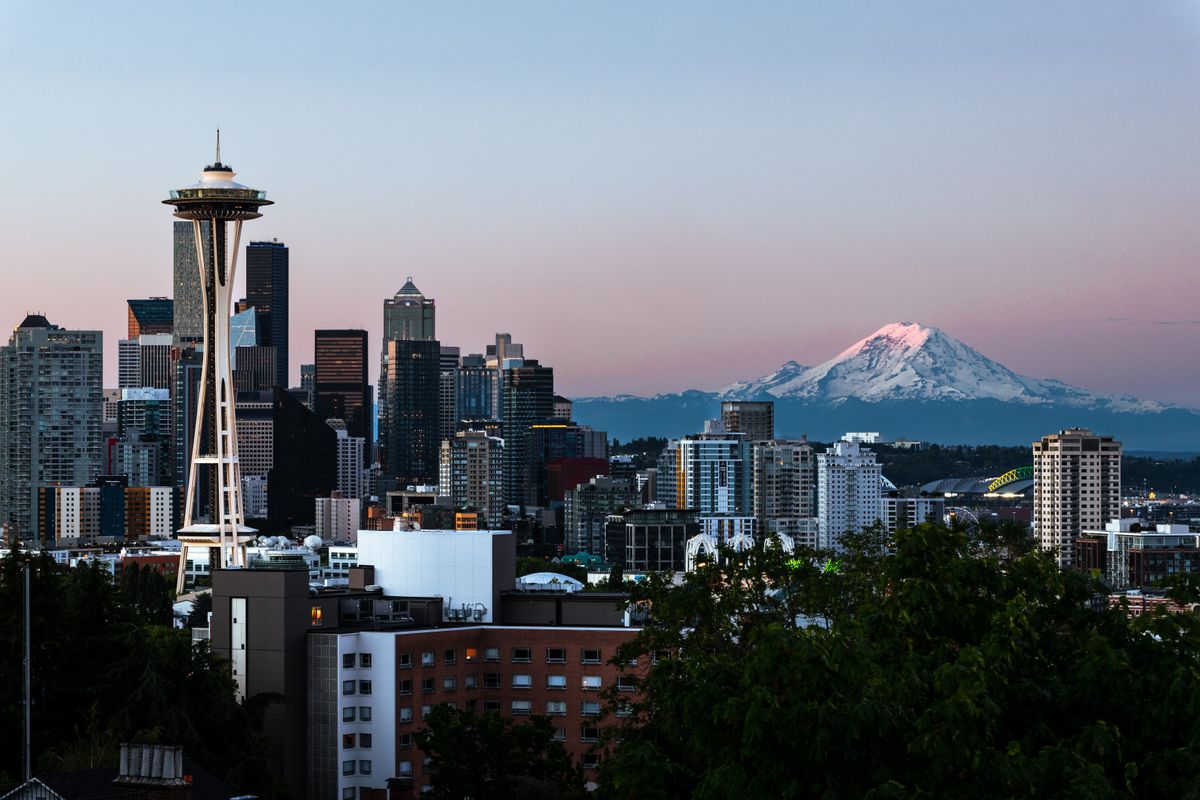
- Seattle. Built on hills between Puget Sound and Lake Washington. Moving to Seattle usually means dense neighborhoods, older houses, and limited parking
- The Eastside. Bellevue, Redmond, and Kirkland, across Lake Washington. Newer housing and more high-rise living in downtown Bellevue
- Tacoma and the South Sound. A port city south of Seattle with lower housing costs, plus Olympia, the state capital
- Everett and the north. Everett, with Bellingham farther up the coast
- Spokane. The big city of eastern Washington, near the Idaho line. Real winters, and lower prices than the coast
- Central Washington. The Tri-Cities, Yakima, and Wenatchee. Dry, sunny farm country
- The islands and peninsulas. Bainbridge, Vashon, Whidbey, and the San Juans depend on ferries or bridges
Choosing between the two biggest names? See Seattle or Bellevue: a mover's view.
Washington State cost of living and tax basics
Washington State cost of living is driven by housing, and housing around Seattle and the Eastside is expensive. Spokane, Tacoma, and central Washington cost less.
- Income tax. Washington does not tax wages or salaries. According to the Tax Foundation, it taxes only capital gains income, so talk with a CPA if you expect to sell investments
- Sales tax. The state rate is 6.5 percent. Local rates are added on top, up to about 4 percent more, according to the Tax Foundation, so combined rates in some cities top 10 percent
- Property tax. Set locally and tied to assessed value. Look up the actual bill for any home you are considering
- Vehicles. Registration costs vary by vehicle and address. Get an estimate before you budget
This is general information, not tax advice. Confirm current rates with the Washington State Department of Revenue and talk with a CPA about your situation.
Moving to Washington State from across the country? Get a free flat-rate quote from a family-owned mover that has been doing this since 1999.
Washington driver license and registration for new residents
According to the Washington State Department of Licensing (DOL), you have 30 days after you move to Washington to get a Washington driver license, and you need it before you can register a vehicle here. Driver licensing and vehicle licensing are separate offices, so plan on two stops.
- Check the DOL website first. See which steps you can start online and what to bring
- Visit a driver licensing office. Bring proof of identity, including your out-of-state license, and your Social Security number. Make an appointment, and expect that some new residents need to take a test
- Title and register your vehicles. Bring your out-of-state title or lienholder information and current registration to a vehicle licensing office
- Update your insurance to your Washington address
Deadlines, fees, and document rules change. For any Washington driver license new resident question, check the DOL website before you go.
What moving day in Washington is really like
- Rain. Outside of summer, assume it. Good crews use floor runners, shrink wrap, mattress bags, and a covered path to the truck. Wet cardboard fails, so keep boxes off the ground
- Hills and narrow streets. Seattle is famously hilly, and many older blocks are tight with cars parked on both sides. A tractor-trailer may have to stay on an arterial while a smaller shuttle truck runs to the house
- Parking. In Seattle and other cities you may need a temporary no-parking permit to hold curb space for the truck. Ask the city well ahead of move day
- Stairs. Hillside homes often have long exterior stairs. Tell your mover how many steps there are
- High-rises. Downtown Seattle and Bellevue towers usually require a reserved freight elevator, a dock time, and a certificate of insurance
- Ferries. Island deliveries run on the ferry schedule, and summer sailings fill up
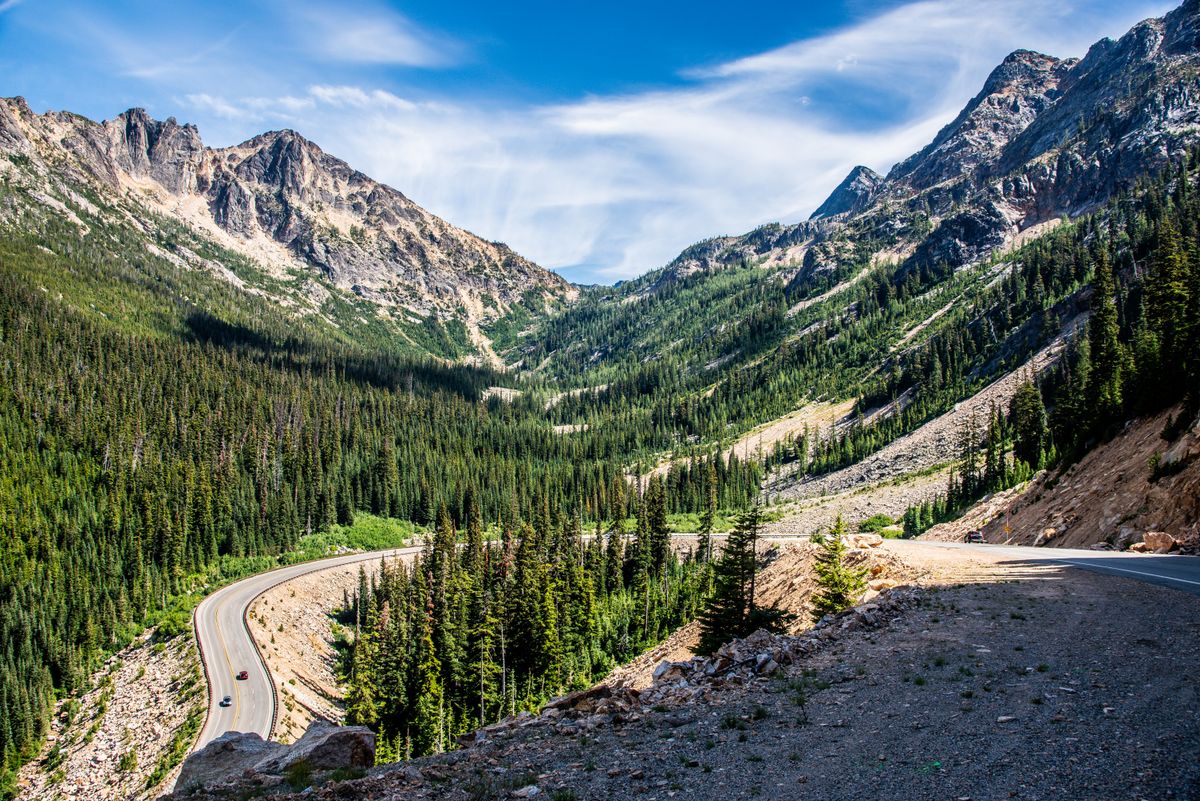
- Mountain passes. In winter, snow can slow or briefly close the Cascade passes that trucks cross to reach Puget Sound. Delivery windows account for that
How a long-distance move to Washington State works
From most of the country, Washington is about as far as a truck can go. Our long-distance moving service is quoted as a flat rate based on distance, your inventory, and any added services. Allpoints is family-owned, based in Metro Atlanta, and works as a contract carrier for one of the biggest van line moving companies in the country. That is what makes a coast-to-coast move possible and affordable.
- Inventory and quote. We go through what you are moving and give you a free, no-obligation flat rate
- Booking. Reserve 3 to 4 weeks ahead, and earlier for summer or end-of-month dates
- Packing. Pack yourself or add our packing service, with boxes, paper, bubble wrap, and tape included in the quote
- Access check. Tell us about hills, stairs, ferries, parking, and elevators at the new address
- Delivery. A cross-country shipment arrives within a delivery window, not on a single day. Carry what you need for the first week or two
Our cross-country moving timeline shows what to do and when. When you compare long-distance movers to Washington State, ask whether the quote is a flat rate and how a shuttle truck is handled.
First-month checklist after moving to Washington State
- Transfer your driver license with the Department of Licensing
- Title and register your vehicles
- Update auto and home or renters insurance
- Register to vote and file your change of address
- Buy real rain gear and a doormat for every door
Also looking farther down the coast? Read moving to California. When you have a date in mind, request a free quote or call (678) 886-0944.
Key takeaways
- Summer is the dry season and the busiest. Book early or plan for rain
- Western and eastern Washington have very different weather, housing, and pace
- Washington has no state income tax on wages, but sales tax and housing costs are high around Seattle
- Hills, narrow streets, ferries, and winter pass conditions all affect truck access and timing
- Get a Washington license within 30 days of the move, before you register vehicles